




Research supports the use of physiotherapy for strengthening regimes of the neck muscles in patients with chronic neck pain. In this study of 100 females with chronic neck pain, 12 weeks of strength training using 3 different methods all led to improvements in pain and function compared to a control group with on intervention. Further studies have demonstrated improved neck pain, disability and mobility in patients receiving 5 sessions of manual therapy to the thoracic spine compared to a control group receiving electrotherapy. This would support the use of manual therapy for cervical neck pain on an individual basis for up to 5-6 sessions.
For neck pain with nerve root involvement the evidence supports up to 3 sessions of physiotherapy weekly for 3 weeks comprising manual therapy and therapeutic exercise to improve neck pain, disability and range of movement. A further study supports the use of manual therapy and nerve gliding exercises for 8 weeks in patients with neck and arm pain, in relation to lowering pain levels and improving disability scores.




Yes, neck and shoulder pain frequently overlap—tight neck muscles and joints refer pain to shoulders, while shoulder problems alter neck posture, creating a pain cycle. Irritated cervical joints commonly cause shoulder blade tension, and rotator cuff strains pull on the neck.
Auckland Physiotherapy uses specific tests to pinpoint the primary driver (cervical spine, thoracic outlet, rotator cuff), then treats both areas systematically for quicker recovery than addressing one alone.
Book neck/shoulder physio within 1–2 weeks if pain affects sleep, driving, work, or sport, persists despite paracetamol, or includes headaches/tingling. Seek urgent GP/ED for sudden severe pain, post-accident trauma, arm numbness/weakness, or dizziness.
No referral needed at Auckland Physiotherapy—ACC claims for whiplash/sprains start same-day with hands-on treatment and video-guided home exercises.
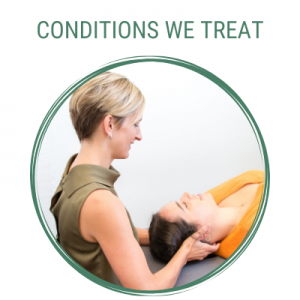
Neck/shoulder physio at Auckland Physiotherapy starts with gentle manual therapy to release stiff joints and tight muscles, plus targeted strengthening and posture exercises from session one. We address your specific triggers—desk posture, phone habits, or sports overhead loads.
Cervical/thoracic mobilisation and trapezius massage.
Chin tucks, scapular retraction, rotator cuff strengthening.
Workstation ergonomic assessment and tweaks.
Video exercise library for consistent home practice.
Most notice 30–50% improvement by visit 3.
Acute neck/shoulder strains typically require 4–6 sessions over 4 weeks; chronic posture-related pain averages 6–10 sessions at Auckland Physiotherapy. Progress hinges on daily posture awareness and home exercise compliance.
Session 3 review ensures 50%+ improvement or plan adjustment. Research supports 5–8 manual therapy sessions for cervical pain with nerve symptoms.
Yes—physiotherapy corrects posture-driven neck/shoulder pain through joint mobilisation, muscle retraining, and ergonomic changes for long-term relief. Auckland Physiotherapy assesses your forward head posture, rounded shoulders, and workstation to rebuild optimal alignment.
Strengthening deep neck flexors, scapular stabilisers, and thoracic extension breaks the cycle. Office workers and parents return to pain-free screens and carrying kids within 6–8 weeks.