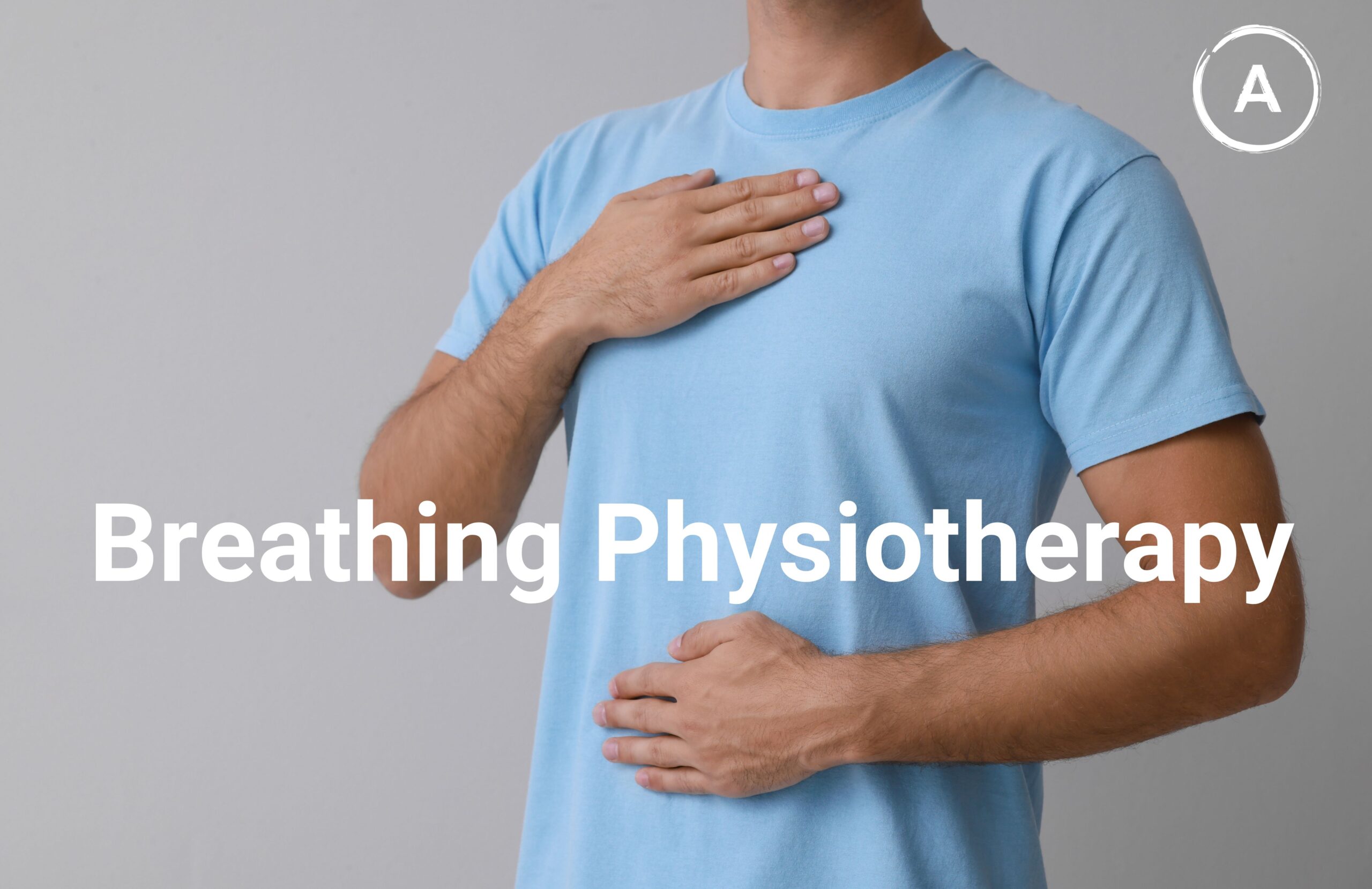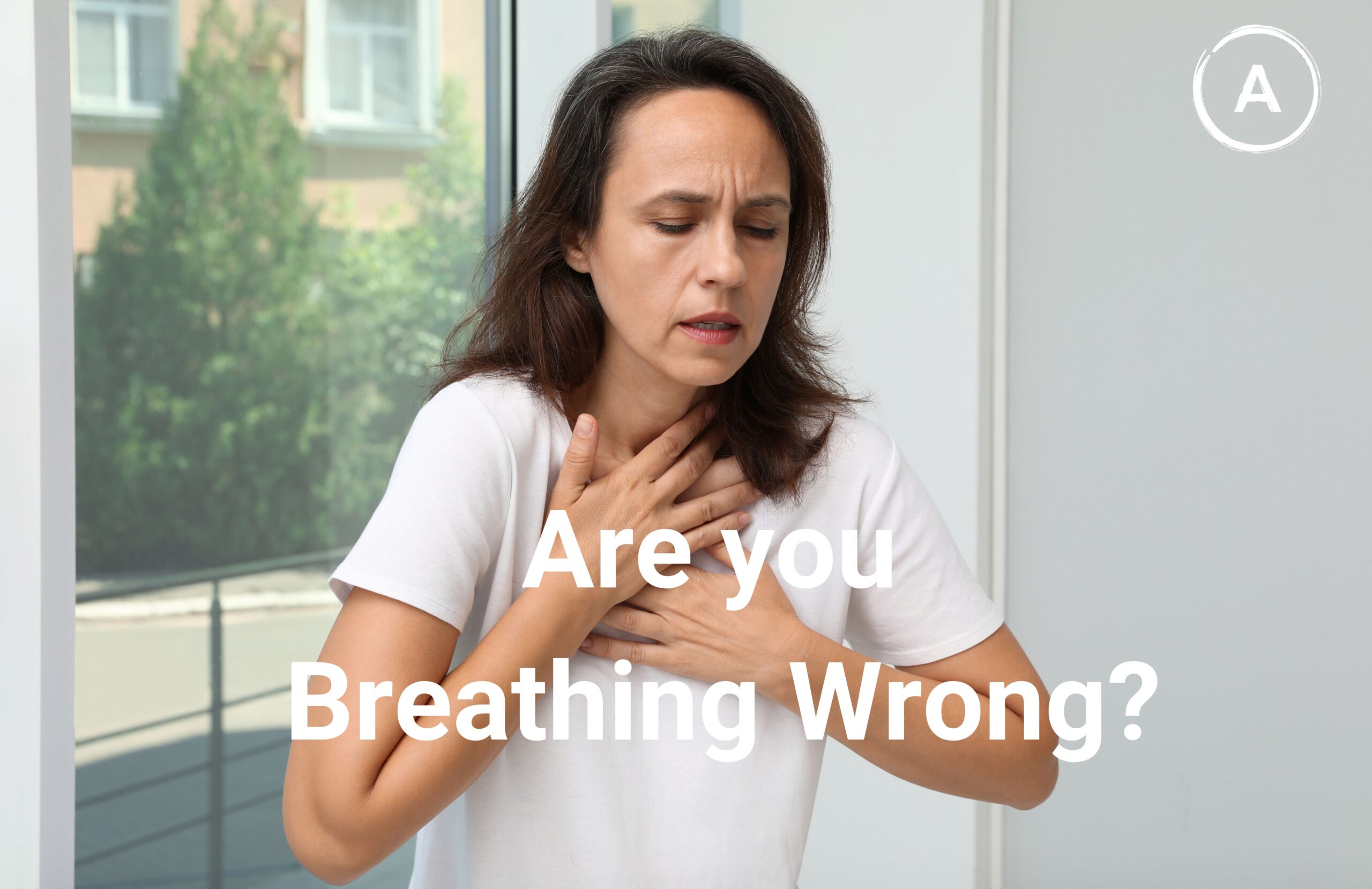
A breathing pattern disorder is a chronic pattern of over-breathing in which the depth and rate of breath exceed the metabolic needs of the body at that time. It occurs in the absence of disease and can cause seemingly unrelated symptoms. The prevalence of serious breathing pattern disorders is as high a 6-10% in the general population however, far more people are likely to have a more subtle, yet clinically significant, breathing pattern disorder.
Typical symptoms of a breathing disorder are;
· Frequent sighing and yawning
· Breathing discomfort*
· Disturbed sleep
· Erratic heartbeats*
· Feeling anxious and uptight
· Pins and needles feeling in the limbs
· Upset stomach/nausea
· Clammy hands
· Twitches or tremors*
· Chest Pains*
· Shattered confidence
· Tired all the time
· Achy muscles and joints
· Dizzy spells* or feeling spaced out
· Irritability or hypervigilance
· Feelings of 'air hunger'
· Reflux
* If you have these symptoms - it is advised that you seek urgent medical care.
Physiotherapy can help assess, diagnose and treat breathing pattern disorders. Management consists of removal of causative factors and rehabilitation of the habitual acquired dysfunctional breathing pattern.Manual therapy and postural strengthening exercises may be required to improve thoracic mobility and muscle tone and length to allow the diaphragm to work optimally. Relaxation methods, mindfulness or meditation are used to reduce the associated stress and anxiety along with sleep and diet advice.
If you're unsure if physiotherapy can help you, book a complimentary phone consultation with Niamh Knightly to find out more information.

Common breathing disorders include dysfunctional breathing patterns (6-10% prevalence), asthma (airway inflammation), and COPD (lung damage from smoking), each with distinct physiotherapy roles. Dysfunctional breathing causes "air hunger" and sighing at rest; asthma triggers wheeze/cough during exercise; COPD brings chronic daily breathlessness.
Niamh Knightly at Auckland Physiotherapy specialises in breathing pattern disorders—no inhaler needed for dysfunctional patterns, unlike asthma/COPD medical management. Assessment clarifies your specific type.
Seek urgent GP/ED for chest pain, blue lips, fainting, confusion, or sudden severe breathlessness; see physiotherapy within 1–2 weeks for ongoing breathlessness talking/eating, frequent sighing, or post-flu fatigue. No referral needed at Auckland Physiotherapy—ACC covers breathing retraining post-injury or viral illness.
Physio-appropriate breathing issues:
Frequent yawning/sighing
"Can't get a full breath" feeling
Chest tightness without wheeze
Anxiety-related breathlessness
Book with Niamh Knightly for assessment.
Yes—physiotherapy effectively treats breathing disorders through breathing retraining, diaphragmatic activation, postural correction, and stress management, led by Niamh Knightly at Auckland Physiotherapy. Manual therapy improves thoracic mobility while relaxation techniques reduce over-breathing triggers.
Techniques include:
Diaphragmatic breathing retraining
Nasal breathing optimisation
Thoracic spine mobilisation
Stress/anxiety management strategies
Most notice easier breathing within 2–4 sessions.
Niamh Knightly's top breathing exercise for shortness of breath: Diaphragmatic breathing—lie comfortably, hand on belly, inhale through nose 4 seconds (belly rises, chest still), exhale slowly 6 seconds through nose. Practice 5–10 minutes twice daily.
Additional techniques:
Nasal breathing only: Prevents mouth-breathing air hunger
Pursed lip breathing: Slows exhalation for asthma/COPD
4-7-8 breathing: Inhale 4, hold 7, exhale 8 seconds (anxiety)
Video-guided home programmes available from first session.
Acute dysfunctional breathing improves in 4–8 weeks with consistent retraining; post-viral breathlessness settles 3–6 weeks; chronic asthma/COPD support provides ongoing management. Auckland Physiotherapy's structured programme (1-hour initial + 4–6 follow-ups) breaks habitual over-breathing cycles.
Typical timelines with Niamh Knightly:
Reduced sighing/air hunger: 2–4 weeks
Normal breathing during stress: 6–8 weeks
Full exercise tolerance: 8–12 weeks
Early intervention prevents chronic patterns—complimentary phone consult available.