
Auckland Physio5 min read
Menopause is a natural transition — but the symptoms it brings, from bone loss to muscle decline, are far from inevitable. Research is increasingly clear: the habits you build in your 30s and 40s can dramatically shape how your body moves, feels, and functions for decades to come.
THE SCIENCE
As oestrogen levels decline during perimenopause and menopause, women experience accelerated loss of bone density and muscle mass — a process called sarcopenia. Studies show women can lose up to 3% of bone density per year in the first 5 years after menopause, and muscle mass naturally declines from around age 30 onwards if left unchallenged.
The good news? Strength training is one of the most evidence-backed interventions available — and it works at every age. But starting earlier gives you a significant head start.
3% Bone density lost per year in early menopause
30s When muscle mass begins to slowly decline
2×Fracture risk reduced with regular resistance training
RESEARCH INSIGHT
Bone density peaks in your late 20s to early 30s. After that, how much you preserve depends on how hard you challenge your skeleton. A landmark review published in the Journal of Bone and Mineral Research found that women who engaged in regular weight-bearing and resistance exercise before and during perimenopause maintained significantly higher bone mineral density than those who were sedentary — reducing fracture risk by up to 50%.
"The best time to plant a tree was 20 years ago. The second best time is now — and the same is true for strength training."
Starting in your 30s also means you build neural pathways and movement confidence before hormonal changes kick in — making it easier to stay active through perimenopause, when fatigue and joint changes can otherwise become barriers.
Journal of Bone & Mineral Research Menopause Journal British Journal of Sports Medicine
WHY IT MATTERS
YOUR JOURNEY
30S — OPTIMAL WINDOW
Build your foundation
Peak opportunity to maximise bone and muscle mass before hormonal shifts begin. Start 2–3 sessions of resistance training per week. Even walking with load counts.
40S — PERIMENOPAUSE
Protect what you've built
Hormonal fluctuations begin. Strength training becomes even more important to maintain metabolism and bone density. Progress intensity gradually with guidance.
50S+ — MENOPAUSE & BEYOND
It's never too late
Studies confirm strength gains are possible well into your 70s and 80s. Starting now still dramatically improves quality of life, balance, and independence.
HOW WE CAN HELP
Starting something new — especially after time away from exercise — can feel daunting. And if you've got a niggling knee, a sore back, or a shoulder that doesn't quite behave, it's easy to put it off. That's exactly where our physio team comes in.
At Auckland Physio, we work with women at every stage of this journey. Whether you're brand new to strength training, navigating a previous injury, or just not sure where to begin — we can assess your movement, address any pain or limitations, and build a programme that's safe, progressive, and genuinely enjoyable.
We also integrate Pilates-based rehabilitation, which is particularly effective for building core strength, improving posture, and restoring confidence in movement — all areas that matter deeply as your body changes through perimenopause and menopause.
Book a complimentary call Today to get started.
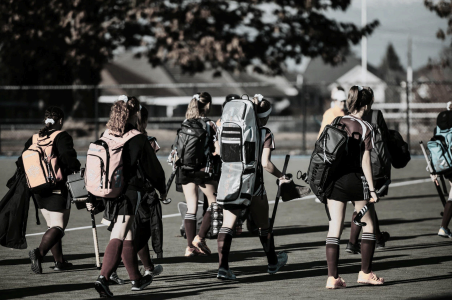
As a parent, you want to do the "right" thing. Recently, I found myself in a common debate at home regarding my daughter’s hockey practice. My instinct has been that she actually does better—more focused, more independent, more "in the zone"—when I’m not there. I prefer to drop her off, let her cope with the drills and the social dynamics on her own, and then show up for the games to support the competitive side she loves.
My wife, however, raised a fair point: shouldn’t we be watching the practices to provide a "safe environment"? Is our physical presence the security blanket they need to thrive?
It’s a classic parental tug-of-war between being there and giving space. However, from a psychological welfare perspective, "dropping and going" isn’t just a convenience—it might be one of the best developmental gifts you can give a young athlete.
1. The "Observer Effect" and the Glance Back
In sports psychology, the Observer Effect is real. When a seven-year-old knows a parent is watching, the practice session changes from a "learning lab" to a "performance."
Practice is supposed to be messy. It’s where kids should feel free to fall over, miss the ball, and make mistakes without looking toward the sidelines to gauge a parent’s reaction.
If your child is more engaged when you aren't there, it’s often because they’ve moved from seeking external validation to finding internal drive. They aren't "Paul’s daughter" in that moment; they are just a hockey player.
2. Autonomy: The "Social Lab" of Sport
Sports practices are as much about social hierarchy and peer bonding as they are about skills. When we "drop and go," we allow our children to navigate social friction and coach instructions entirely on their own.
This builds self-efficacy—the internal belief that "I can handle this." By giving them that hour of independence, we are providing a "psychologically safe" space where they are the protagonists of their own story, not just a character in ours.
3. Active Modeling vs. Passive Spectating
There is a strange phenomenon in youth sports today: the "spectator culture." You’ll often see sidelines full of parents who are sedentary, perhaps even overweight or disconnected, watching their kids "try their best."
There is a massive psychological gap here. Children are highly tuned to Social Modeling. They notice when a parent values their own physical "engine" versus when a parent is merely a passive consumer of the child’s effort.
If you maintain your own fitness and lead an active lifestyle, you are providing a more powerful form of "support" than a parent sitting on a folding chair for sixty minutes. You are showing them that physical competence is a lifelong standard, not a childhood phase.
4. Redefining "Safety"
My wife is right that a safe environment is vital, but for a child who thrives in competition, "safety" is often found in the consistency of the return. Psychological safety for a young athlete is knowing that regardless of how the practice went, the person picking them up is a "consistent base"—someone who is interested in whether they had fun, rather than a technical critique of their footwork.
The Verdict
If your child is happy, competing hard, and growing in your absence, it isn’t a sign that you’re "missing out." It’s a sign that you’ve raised a child secure enough to venture out into the world without needing to look back over her shoulder.
The best support we can give sometimes isn't our eyes on the field—it’s the active example we set in our own lives and the space we give them to own their own game.
By Paul White, Running + Hockey Physio + Dad
Modern office work creates a perfect storm for musculoskeletal problems: prolonged sitting, repetitive computer tasks, static postures, and the chronic stress that accompanies demanding jobs. At Auckland Physiotherapy, we treat countless office workers each year with neck pain, back pain, headaches, and repetitive strain injuries - conditions often exacerbated by poorly designed workstations and unmanaged workplace stress.
The solution isn't as simple as buying a standing desk or doing occasional stretches. Evidence-based ergonomics requires understanding how your body responds to sustained postures, how stress manifests physically, and what actually works to prevent and manage office-related pain.
Let's explore the science of office ergonomics, separate fact from fiction about standing desks, understand the body-stress connection, and provide practical, evidence-based strategies to protect your musculoskeletal health in the modern workplace.
We've all heard that "sitting is the new smoking." While this comparison is overstated, prolonged sitting does create significant health concerns.
Increased Spinal Disc Pressure: Sitting increases pressure on lumbar (lower back) discs by approximately 40% compared to standing. Over hours and days, this sustained pressure contributes to disc degeneration and back pain.
Muscle Deactivation: Sitting "turns off" certain muscles, particularly the glutes (buttocks). Research shows that even 30 minutes of sitting significantly reduces gluteal muscle activation. Over time, this creates weakness and altered movement patterns.
Hip Flexor Tightness: Prolonged sitting keeps hip flexors in a shortened position for hours daily. This tightness pulls the pelvis forward, contributing to lower back strain and altered posture.
Upper Cross Syndrome: Extended computer work creates a predictable pattern: tight chest and neck muscles, weak upper back and neck stabilizers. This results in forward head posture, rounded shoulders, and neck pain.
Reduced Circulation: Static sitting impairs blood flow, particularly to the lower limbs, contributing to swelling, discomfort, and potentially increased cardiovascular risks.
Studies demonstrate that office workers sitting more than 6 hours daily have:
However, the solution isn't simply replacing sitting with standing.
Standing desks have become enormously popular, marketed as the solution to sitting-related problems. But what does research actually show?
Reduced Sitting Time: Studies show standing desks reduce sitting time by 30-60 minutes per workday - a meaningful reduction.
Lower Back Pain Improvement: Research indicates that alternating between sitting and standing can reduce lower back pain by 20-30% in people with chronic pain.
Increased Energy and Focus: Some studies report improved alertness and concentration when using standing desks, though effects are modest and vary between individuals.
Calorie Expenditure: Standing burns approximately 0.15 calories more per minute than sitting. Over a full workday, this amounts to roughly 50-60 extra calories - equivalent to a small apple. The metabolic benefits are minimal.
Not a Complete Solution: Simply standing instead of sitting doesn't address poor posture, static positioning, or stress. You can have equally poor ergonomics while standing.
Potential for New Problems: Prolonged standing creates its own issues:
Mixed Research Findings: Recent systematic reviews show standing desks provide modest benefits for some outcomes, but are not a cure-all. The evidence for improved productivity, long-term health benefits, or significant pain reduction is weak to moderate at best.
Research consistently shows that movement and postural variation matter more than whether you sit or stand:
Key Finding: Alternating between sitting and standing every 30-60 minutes provides benefits superior to either prolonged sitting or prolonged standing alone.
The Sweet Spot: Evidence suggests a ratio of approximately 1:1 or 2:1 sitting to standing throughout the day works well for most people. For example, in an 8-hour workday: 5-6 hours sitting, 2-3 hours standing, with frequent transitions.
Whether sitting or standing, proper workstation setup is crucial.
Chair Setup:
Desk and Screen:
Keyboard and Mouse:
Phone Use:
Desk Height:
Monitor Position:
Footwear and Mat:
Standing Posture:
Proper setup is only half the equation. Regular movement is essential:
Micro-Breaks (Every 20-30 Minutes):
Movement Breaks (Every 60 Minutes):
Active Habits:
Work stress isn't just psychological—it manifests physically in ways that directly contribute to musculoskeletal pain.
Muscle Tension: Stress triggers increased muscle activity, particularly in:
This tension, maintained for hours daily, creates pain, trigger points, and movement restriction.
Altered Breathing: Stress often causes shallow chest breathing rather than deep diaphragmatic breathing. This:
Pain Sensitivity: Chronic stress increases pain perception. Research shows stressed individuals have lower pain thresholds and experience pain more intensely than non-stressed individuals with identical injuries.
Inflammation: Psychological stress increases inflammatory markers in the body, potentially exacerbating pain conditions and slowing healing.
Poor Movement Patterns: Stressed individuals often adopt protective, guarded postures and movements that create additional strain.
Reduced Recovery: Stress impairs sleep quality and duration, reducing the body's ability to recover from daily physical demands.
Stress creates physical tension and pain. Pain creates more stress and anxiety. This cycle perpetuates both psychological and physical symptoms, making each worse.
Managing stress isn't just good for mental health—it's crucial for physical wellbeing and pain prevention.
Diaphragmatic Breathing: Research shows this reduces muscle tension, lowers stress hormones, and decreases pain perception.
Technique:
This technique involves systematically tensing and relaxing muscle groups, teaching awareness of tension and how to release it.
Studies show it reduces muscle tension, anxiety, and pain intensity in office workers.
Brief Practice:
Physical activity is one of the most effective stress management strategies, with strong research support showing:
Aim for 150 minutes of moderate activity weekly, but even brief movement breaks provide benefits.
Time Management:
Environmental Control:
Research shows strong social support reduces stress impacts and improves pain outcomes. Stay connected with colleagues, friends, and family.
These exercises can be performed at your desk throughout the day.
Neck Stretch:
Chest Stretch:
Seated Spinal Twist:
Hip Flexor Stretch:
Wrist Stretches:
Chin Tucks (10 Repetitions):
Scapular Squeezes (15 Repetitions):
Glute Squeezes (15 Repetitions):
Desk Push-Ups (10-15 Repetitions):
Seated Marching (30 Seconds):
Standing Hip Circles (10 Each Direction):
Cat-Cow Stretch (10 Repetitions):
Week 1: Assessment and Setup
Week 2: Establish Movement Routine
Week 3: Stress Management Integration
Week 4+: Refinement and Maintenance
Consult Auckland Physiotherapy if you experience:
Ergonomic Assessment:
Manual Therapy:
Exercise Prescription:
Pain Management:
Prevention Planning:
Modern office work creates unique physical challenges. The combination of prolonged sitting (or standing), repetitive tasks, static postures, and chronic stress creates the perfect environment for musculoskeletal problems. However, these issues aren't inevitable.
Evidence-based ergonomics goes beyond buying the latest standing desk or ergonomic chair. It requires:
At Auckland Physiotherapy, we understand the demands office workers face. We've helped countless Auckland professionals optimize their workstations, address pain, and develop sustainable strategies for long-term musculoskeletal health.
Your body wasn't designed for 8+ hours of static positioning and repetitive tasks. But with the right setup, regular movement, stress management, and early intervention when problems develop, you can work comfortably and pain-free.
Don't wait until pain becomes unbearable. Small changes now prevent major problems later.
Experiencing office-related pain or want to optimize your workstation? Visit www.aucklandphysiotherapy.co.nz or contact Auckland Physiotherapy today to book an ergonomic assessment and take control of your workplace health.
Housed in the beautiful Foundation Precinct, sandwiched in-between Newmarket, Parnell & Remuera
This blog provides general information and guidance. Individual ergonomic needs vary. For persistent pain or specific concerns, consult with a qualified physiotherapist for personalized assessment and treatment.
Pelvic health issues affect far more athletes than most people realize, yet they remain one of the least discussed aspects of sports performance and wellbeing. At Auckland Physiotherapy, our pelvic health physiotherapists work with athletes across all sports and levels - from recreational runners to elite competitors - helping them address conditions that significantly impact training, performance, and quality of life.
The silence around pelvic health problems often leaves athletes suffering unnecessarily, believing their symptoms are normal consequences of sport or childbirth, or feeling too embarrassed to seek help. Let's break this silence and explore the common pelvic health issues we see in sport, understand why they happen, and outline evidence-based solutions that can restore function and confidence.
The pelvic floor is a group of muscles, ligaments, and connective tissues forming a supportive hammock at the base of the pelvis. These muscles perform crucial functions:
Just like any other muscles, the pelvic floor can become too weak, too tight, poorly coordinated, or injured - all of which can cause symptoms and functional limitations.
What It Is: Involuntary leakage of urine during activities that increase intra-abdominal pressure - such as running, jumping, coughing, sneezing, or lifting weights.
How Common Is It? Research shows that 25-45% of female athletes experience urinary incontinence, with higher rates in high-impact sports. Studies of elite athletes find rates up to 80% in trampolining and gymnastics, and 50% in running and team sports.
Why It Happens:
Sports Most Affected: Running, CrossFit, gymnastics, trampolining, netball, basketball, volleyball, tennis, high-intensity interval training.
Impact on Athletes: Many athletes modify or stop activities they love. Some wear pads during training, limit fluid intake (which creates other health problems), or withdraw from sport entirely. The psychological impact - embarrassment, shame, loss of confidence—can be as significant as the physical symptoms.
What It Is: Descent of pelvic organs (bladder, uterus, or rectum) from their normal position due to weakened support structures. This can create sensations of heaviness, dragging, bulging, or visible protrusion.
Prevalence: While exact rates in athletes are unclear, studies suggest 40-50% of women who've had children have some degree of prolapse, many asymptomatic. Athletes who return to high-impact training too quickly postpartum have increased risk.
Why It Happens:
Symptoms: Sensations of pelvic heaviness or pressure, feeling of something "dropping down," visible or palpable bulge, difficulty emptying bladder or bowel, lower back ache.
Sports Most Affected: Weightlifting, CrossFit, running (particularly postpartum), gymnastics.
What They Include:
Why They Happen:
Sports Most Affected: Cycling (saddle-related issues), rowing, horse riding, gymnastics, yoga (extreme positions).
Impact: Pain can occur during sport, interfere with sexual function, affect daily activities like sitting, and significantly impact quality of life.
What It Is: Separation of the rectus abdominis muscles (six-pack muscles) along the midline, most commonly occurring during pregnancy but also seen in heavy lifters and some male athletes.
Why It Matters for Pelvic Health: The abdominal wall and pelvic floor work as an integrated system. When abdominal integrity is compromised, the pelvic floor often compensates, leading to dysfunction, pain, or incontinence.
Symptoms: Visible bulging or doming along the midline with exertion, poor core stability, lower back pain, pelvic floor symptoms.
Sports Most Affected: Weightlifting, CrossFit, gymnastics, any sport requiring significant core strength.
What It Is: Dysfunctional breathing patterns that create excessive downward pressure on the pelvic floor, often involving chronic breath-holding, bearing down, or paradoxical breathing.
Why It Matters: Poor breathing mechanics can create constant downward pressure on the pelvic floor, contributing to weakness, prolapse, or incontinence. Many athletes hold their breath during exertion, creating massive intra-abdominal pressure spikes.
Signs: Breath-holding during lifts, chest breathing rather than diaphragmatic breathing, inability to coordinate breathing with movement.
Understanding barriers to care helps us address them:
Normalization: Many athletes believe leakage during sport is normal or inevitable, particularly after childbirth. While common, it's not normal and is treatable.
Embarrassment: Pelvic health remains a taboo topic. Athletes feel uncomfortable discussing intimate symptoms.
Lack of Awareness: Many don't know pelvic health physiotherapy exists or that these issues are treatable.
Fear of Being Told to Stop Sport: Athletes worry they'll be advised to quit activities they love.
Minimization by Healthcare Providers: Some athletes report their concerns being dismissed as "part of being a mum" or "just do more Kegels."
The reality? Pelvic health physiotherapists are specialists who understand sport demands and work to keep you active while addressing symptoms.
Pelvic health physiotherapy begins with thorough assessment:
History Taking:
Physical Examination:
The internal examination allows direct assessment of pelvic floor muscle strength, tone, coordination, and presence of trigger points or pain. This is optional but provides valuable information that guides treatment.
Functional Testing:
Pelvic Floor Muscle Training (PFMT): The gold standard treatment for SUI, with strong research support showing 40-70% cure rates and significant improvement in most others.
Effective PFMT requires:
The Knack: A timing strategy where you pre-contract the pelvic floor just before activities that cause leakage (like jumping). Research shows this significantly reduces leakage episodes.
Load Management: Modifying training loads temporarily while building pelvic floor capacity, then progressively increasing demands.
Breathing Coordination: Teaching proper breathing patterns that reduce downward pelvic pressure during exertion.
Whole-Body Strengthening: Addressing hip, core, and lower limb strength that supports optimal load distribution.
Pessaries: Medical devices inserted into the vagina that support pelvic organs. Research shows sports pessaries can effectively manage symptoms during high-impact activity while you build pelvic floor strength.
Conservative Management:
Surgical Intervention: Reserved for cases where conservative management doesn't provide adequate symptom relief. Post-surgical physiotherapy optimizes outcomes.
Return to Sport: Structured, progressive return to impact and loading. Research suggests 12 weeks minimum before returning to high-impact activity postpartum, often longer with prolapse.
Pelvic Floor Muscle Relaxation: For overactive muscles, treatment focuses on downtraining, relaxation, and stretching rather than strengthening.
Manual Therapy:
Dilator Therapy: Progressive use of vaginal dilators for conditions like vaginismus or dyspareunia.
Pain Education: Understanding pain mechanisms and that pain doesn't always equal damage.
Stress Management: Addressing psychological factors that contribute to muscle tension.
Behavioral Modifications: Adjusting activities or positions that aggravate symptoms while working on underlying causes.
Functional Core Restoration:
Realistic Expectations: Some separation may persist, but function can be fully restored. The goal is effective core function, not complete gap closure.
Diaphragmatic Breathing: Teaching proper breathing mechanics that create balanced pressure distribution.
Exercise Integration: Coordinating breathing with movement patterns (exhaling during exertion, for example).
Pressure Management: Avoiding excessive breath-holding or bearing down.
Common Issues: Stress urinary incontinence, pelvic organ prolapse symptoms, pelvic pain.
Solutions:
Common Issues: Prolapse symptoms during heavy lifts, stress incontinence during box jumps or double-unders, diastasis recti.
Solutions:
Common Issues: Pelvic pain, pudendal neuralgia, vulvar pain, numbness.
Solutions:
Common Issues: Very high rates of stress urinary incontinence, pelvic organ prolapse risk.
Solutions:
Prevention is always better than treatment. Here's how to maintain pelvic health:
Include Pelvic Floor Training: Just like training other muscle groups, include pelvic floor exercises in your regular routine. Even 5 minutes daily makes a difference.
Breathe Properly: Never hold your breath during lifts or exertion. Exhale during the effort phase.
Progress Gradually: Avoid sudden jumps in training volume or intensity, particularly postpartum.
Maintain Healthy Body Weight: Excess weight increases pressure on the pelvic floor.
Manage Constipation: Chronic straining damages pelvic floor support. Address with adequate fiber, hydration, and proper toileting posture.
Postpartum Considerations: Return to sport gradually with professional guidance. The standard 6-week clearance doesn't mean you're ready for high-impact training.
Regular Check-Ups: Consider pelvic health assessment part of your athletic preparation, especially if planning pregnancy or experiencing any symptoms.
Consult a pelvic health physiotherapist if you experience:
Early intervention prevents minor issues from becoming major problems and allows faster return to full training.
Specialized Expertise: Pelvic health physiotherapists have advanced training in pelvic anatomy, function, and dysfunction. We understand both the clinical aspects and the demands of sport.
Individualized Treatment: Cookie-cutter advice doesn't work. We design programmes specific to your symptoms, sport, and goals.
Empowerment: We teach you to understand your body, recognize warning signs, and manage your condition long-term.
Sport-Focused: Our goal is keeping you active. We work with you to modify, adapt, and progress training while addressing underlying issues.
Collaborative Care: We may work with your GP, obstetrician, sports physician, or other healthcare providers to ensure comprehensive care.
As pelvic health physiotherapists, we're passionate about changing the culture around these issues. Pelvic health should be discussed as openly as knee or shoulder injuries. Leaking during sport isn't a badge of honor or inevitable consequence of motherhood—it's a treatable condition.
By seeking help, speaking openly, and sharing experiences, athletes help break down stigma and encourage others to get the treatment they deserve.
Pelvic health issues affect countless athletes but remain undertreated due to embarrassment, lack of awareness, and misconceptions about what's normal. The reality is that these conditions are common, treatable, and should never force you to give up activities you love.
At Auckland Physiotherapy, our pelvic health physiotherapists provide specialized, evidence-based care in a comfortable, non-judgmental environment. We understand the unique demands athletes face and work to restore function, eliminate symptoms, and keep you doing what you love.
You don't have to suffer in silence. You don't have to accept leakage as normal. You don't have to give up sport. With appropriate assessment and treatment, most pelvic health issues improve significantly or resolve completely.
Experiencing pelvic health symptoms affecting your sport or daily life? Visit www.aucklandphysiotherapy.co.nz or contact Auckland Physiotherapy today to book a confidential appointment with our pelvic health physiotherapists.
Housed in the beautiful Foundation Precinct, sandwiched in-between Newmarket, Parnell & Remuera
This blog provides general information and is not a substitute for individual assessment. Pelvic health concerns require personalized evaluation and treatment. All internal examinations are performed with full consent and are optional.
When most people think of Pilates, they picture toned abs, lean bodies, and celebrities sharing their latest workout routines on social media. While Pilates certainly strengthens the core, reducing it to an "ab workout" dramatically understates its therapeutic value. At Auckland Physiotherapy, we integrate Pilates-based exercises into rehabilitation programmes because the research demonstrates benefits far beyond aesthetic core strength.
Pilates is a mind-body exercise system developed by Joseph Pilates in the early 20th century, emphasizing controlled movements, breathing, concentration, and precision. Modern research has validated many of its principles, showing measurable improvements in balance, mental wellbeing, pain management, and functional movement across diverse populations—from older adults preventing falls to athletes optimizing performance, and chronic pain sufferers finding relief.
Let's explore what the evidence actually says about Pilates and why it deserves consideration as more than just another fitness trend.
Before examining the research, it's important to understand what defines Pilates:
Concentration: Mindful awareness of body position and movement quality throughout exercises.
Control: Precise, deliberate movements rather than momentum-driven actions.
Centering: Focus on the "powerhouse" (core muscles including abdominals, back, pelvic floor, and hip muscles) as the foundation for all movement.
Breathing: Coordinated breathing patterns that facilitate movement and enhance core engagement.
Precision: Attention to alignment, technique, and form in every exercise.
Flow: Smooth, continuous movement connecting one exercise to the next.
Mat Pilates: Exercises performed on a mat using body weight, sometimes with small props like resistance bands, circles, or balls.
Reformer Pilates: Uses a specialized machine with springs and a sliding carriage that provides variable resistance.
Clinical Pilates: Adapted by physiotherapists for rehabilitation, addressing specific injuries or conditions with individualized exercise prescription.
While equipment and settings vary, the fundamental principles remain consistent across all forms.
Let's start with what Pilates is best known for: core strengthening.
Multiple systematic reviews and meta-analyses demonstrate that Pilates effectively improves:
Core Muscle Activation: Studies using electromyography (EMG) show increased activation of deep core muscles—particularly transversus abdominis and multifidus—during Pilates exercises compared to traditional exercises.
Trunk Stability: Research indicates significant improvements in trunk stability and endurance following 8-12 weeks of Pilates training.
Functional Strength: Unlike isolated ab exercises, Pilates develops functional core strength that transfers to daily activities and sport performance.
Core strength isn't about aesthetics—it's about function:
One of the most compelling bodies of research examines Pilates for balance improvement, particularly in older adults.
A 2020 systematic review of 14 studies found that Pilates significantly improves both static and dynamic balance in older adults. Improvements were observed in:
Single-Leg Balance: Ability to stand on one leg with eyes open and closed increased by an average of 4-6 seconds after 8-12 weeks of Pilates.
Dynamic Balance: Tests measuring balance during movement (like the Timed Up and Go test) showed improvements of 10-15%.
Functional Reach: How far people could reach forward while maintaining balance improved significantly.
Berg Balance Scale: A comprehensive balance assessment showed clinically meaningful improvements after Pilates training.
Falls are a leading cause of injury and loss of independence in older adults. In New Zealand, one in three adults over 65 experiences a fall each year. Balance training through Pilates addresses multiple fall risk factors:
While fall prevention research focuses on older adults, balance improvements benefit everyone:
Emerging research demonstrates significant psychological benefits from Pilates practice.
Multiple studies show that regular Pilates practice reduces stress and anxiety levels:
A 2018 study of women practicing Pilates twice weekly for 8 weeks found:
A 2019 systematic review concluded that Pilates produces small to moderate improvements in anxiety and depression symptoms, comparable to other forms of exercise.
Mindful Movement: The concentration and body awareness required during Pilates promotes present-moment focus, similar to meditation.
Breathing Patterns: Controlled breathing activates the parasympathetic nervous system (rest-and-digest response), reducing stress hormones.
Physical Accomplishment: Mastering challenging movements builds self-efficacy and confidence.
Social Connection: Group classes provide community and social support.
Body Image: Improved strength, posture, and movement quality can enhance body satisfaction and self-perception.
Research shows that regular Pilates participation improves multiple quality of life domains:
A 2017 study of breast cancer survivors found that 12 weeks of Pilates improved quality of life scores by 18-25% across multiple domains.
Perhaps the most clinically significant research examines Pilates for chronic pain conditions.
Low back pain is where the evidence is strongest. Multiple high-quality systematic reviews conclude:
Pain Reduction: Pilates reduces pain intensity by an average of 1.5-2 points on a 10-point scale—a clinically meaningful improvement.
Disability Improvement: Functional disability scores improve significantly, allowing people to return to activities they'd avoided.
Long-Term Benefits: Unlike some interventions that provide only temporary relief, Pilates benefits persist for 6-12 months after training ends, suggesting lasting improvements in movement patterns and muscle function.
Comparative Effectiveness: Research comparing Pilates to other treatments (like general exercise, physiotherapy, or minimal intervention) consistently shows Pilates produces equal or superior outcomes.
A 2015 Cochrane Review (the gold standard of evidence synthesis) analyzed 10 randomized controlled trials involving 510 participants and concluded that Pilates reduces pain and disability in people with chronic low back pain.
Research on neck pain is growing:
Studies show that Pilates-based programmes:
A 2016 study comparing Pilates to conventional physiotherapy for chronic neck pain found both groups improved, but Pilates participants showed greater improvements in pain, function, and quality of life at 6-month follow-up.
Fibromyalgia—characterized by widespread pain, fatigue, and cognitive difficulties—is notoriously challenging to treat. However, research shows Pilates can help:
Pain Reduction: Studies report 20-30% reductions in pain scores.
Improved Function: Better physical function and ability to perform daily activities.
Reduced Fatigue: Significant improvements in energy levels and fatigue symptoms.
Better Sleep: Improvements in sleep quality and duration.
Enhanced Quality of Life: Overall quality of life improvements of 15-20%.
A 2017 systematic review concluded that Pilates is an effective intervention for fibromyalgia, producing improvements in pain, function, and quality of life.
For people with knee or hip osteoarthritis, Pilates offers:
Several mechanisms explain Pilates' effectiveness for chronic pain:
Improved Movement Patterns: Pilates retrains dysfunctional movement patterns that contribute to pain.
Muscle Balance: Addresses imbalances between weak and overactive muscles.
Core Stabilization: Supports the spine and reduces mechanical stress on painful structures.
Mind-Body Connection: The mindful awareness component may help "rewire" pain processing in the nervous system.
Graded Exercise: Pilates allows progressive loading at appropriate intensity, building tolerance without aggravating symptoms.
Low Impact: Controlled movements minimize joint stress while maintaining beneficial loading.
Modern life—sitting at desks, looking at phones, driving—creates predictable postural problems. Research shows Pilates effectively addresses these issues.
Studies demonstrate that Pilates:
Better posture translates to:
While not its primary focus, Pilates significantly improves flexibility and range of motion.
Studies show Pilates increases:
A 2016 systematic review found that Pilates improves flexibility to a similar or greater extent than traditional stretching programmes.
Adequate flexibility:
Athletes across various sports incorporate Pilates for performance benefits.
Research with athletes demonstrates:
Improved Core Endurance: Enhanced ability to maintain core stability during prolonged activity.
Better Movement Control: More precise, efficient movement patterns.
Injury Prevention: Reduced injury rates in athletes practicing Pilates regularly.
Enhanced Proprioception: Better body awareness improving technique and coordination.
Cross-Training Benefits: Active recovery that maintains fitness without high impact stress.
Studies in specific sports show:
Research demonstrates benefits across diverse groups:
Studies show Pilates during pregnancy:
Postpartum Pilates:
Beyond balance benefits, research shows Pilates helps older adults:
Emerging research examines Pilates for conditions like:
Research shows Pilates helps cancer survivors:
At Auckland Physiotherapy, we practice Clinical Pilates—Pilates principles applied within a physiotherapy framework.
Individualized Assessment: Comprehensive evaluation of movement patterns, strength, flexibility, and specific conditions.
Targeted Exercise Prescription: Exercises selected and modified based on individual needs, not generic class sequences.
Progressive Rehabilitation: Systematic progression from basic to advanced exercises as function improves.
Integration with Other Treatments: Combined with manual therapy, education, and other physiotherapy interventions.
Evidence-Based Practice: Application of current research to guide treatment decisions.
Injury-Specific Modifications: Adaptations for injuries, surgeries, or chronic conditions.
While Pilates is generally safe, following these guidelines optimizes benefits and minimizes risks:
Look for:
Begin with Basics: Master fundamental exercises before progressing to advanced movements.
Focus on Quality: Perfect form matters more than quantity or difficulty.
Communicate: Inform instructors about injuries, pain, or medical conditions.
Progress Gradually: Don't rush through levels or push into pain.
Be Consistent: 2-3 sessions weekly produces better results than sporadic practice.
Consider physiotherapist-led Clinical Pilates if you:
Research provides realistic expectations:
Pain Reduction: Often noticeable within 2-4 weeks, with continued improvement over 8-12 weeks.
Strength and Stability: Measurable improvements after 6-8 weeks of consistent practice.
Balance: Significant improvements typically seen after 8-12 weeks.
Flexibility: Noticeable changes within 4-6 weeks.
Postural Changes: May take 8-12 weeks for lasting improvements.
Mental Wellbeing: Stress reduction and mood improvements often noticed within 2-4 weeks.
Consistency is key—benefits accumulate with regular practice and may diminish with prolonged breaks.
While research supports Pilates benefits, it's important to acknowledge limitations:
Not a Complete Programme: Pilates should be part of a balanced fitness approach including cardiovascular exercise and, for some people, higher-intensity strength training.
Skill Required: Proper technique matters. Poor form reduces benefits and may increase injury risk.
Not a Quick Fix: Results require consistent practice over weeks and months.
Individual Variation: People respond differently. Some experience rapid improvements while others progress more gradually.
Contraindications: Certain conditions or acute injuries may require modifications or alternative approaches initially.
The research is clear: Pilates offers evidence-based benefits extending far beyond core strength. From reducing chronic pain to preventing falls, from improving mental wellbeing to enhancing athletic performance, Pilates serves diverse populations with varying needs.
At Auckland Physiotherapy, we've witnessed these benefits firsthand in countless clients. Whether you're managing chronic back pain, recovering from injury, wanting to prevent falls as you age, seeking stress relief, or optimizing athletic performance, Pilates-based exercise can be tailored to support your goals.
The key is finding the right approach—whether group mat classes for general fitness, reformer sessions for variety and challenge, or Clinical Pilates with a physiotherapist for specific rehabilitation needs.
Your body deserves movement that's mindful, controlled, and purposeful. Pilates offers exactly that, backed by growing scientific evidence demonstrating real, measurable benefits for every body.
Interested in exploring Clinical Pilates or learning whether it's right for your needs? Visit www.aucklandphysiotherapy.co.nz or contact Auckland Physiotherapy today to book an assessment and discover how Pilates can support your health and wellbeing.
Housed in the beautiful Foundation Precinct, sandwiched in-between Newmarket, Parnell & Remuera
This blog provides general information and is not a substitute for individual assessment. People with existing health conditions should consult with healthcare providers before beginning any new exercise programme.
Summer in New Zealand means cricket at the park, tennis at the club, touch rugby at the beach, and weekend golf rounds. As Aucklanders embrace the sunshine and outdoor sports, physiotherapy clinics see a predictable surge in sports-related injuries. At Auckland Physiotherapy, we treat countless summer athletes each year - from weekend warriors to competitive club players - with injuries that are often preventable with the right knowledge and preparation.
Let's explore the most common summer sports injuries, understand why they happen, and outline evidence-based strategies to prevent and rehabilitate them effectively.
Despite its name, tennis elbow affects far more than tennis players. It's one of the most common overuse injuries we treat during summer months.
Tennis elbow is a painful condition affecting the tendons on the outside of the elbow, specifically where the wrist extensor muscles attach to the lateral epicondyle (bony prominence on the outer elbow). The condition involves degenerative changes in the tendon rather than acute inflammation, which is why the modern term is "lateral epicondylalgia" or "tendinopathy" rather than "epicondylitis."
Overload and Overuse: The extensor tendons, particularly the extensor carpi radialis brevis, become overloaded when repetitive wrist extension occurs—such as during backhand strokes in tennis, gripping actions, or repetitive lifting.
Poor Technique: In tennis, improper backhand technique with excessive wrist movement rather than shoulder and trunk rotation increases elbow strain. Leading with the elbow instead of the shoulder compounds the problem.
Equipment Issues: Racquets that are too heavy, have incorrect grip size, or are strung too tightly increase vibration and force transmitted to the elbow.
Sudden Increases in Activity: Going from minimal tennis to playing multiple times weekly without gradual progression overloads tissues that aren't adapted to the demand.
Muscle Imbalances: Weak rotator cuff or scapular muscles force the elbow and wrist to compensate, increasing strain.
Gradual Progression: Follow the 10% rule—increase playing time or intensity by no more than 10% weekly. If you haven't played tennis all winter, start with 20-30 minutes and gradually build up.
Proper Technique: Work with a qualified coach to ensure correct stroke mechanics, particularly for the backhand. Focus on using the whole body, not just the arm.
Equipment Check:
Strengthening:
Warm-Up: Always warm up before playing with gentle arm movements, wrist circles, and light practice shots.
Early Stage (Pain Management):
Progressive Loading: Research strongly supports eccentric exercise as the most effective treatment for tendinopathy. This involves slowly lengthening the muscle under load.
Return to Sport: Gradual return following a structured progression. Don't return to full play immediately after pain resolves - the tendon needs time to rebuild capacity.
Timeframe: Tennis elbow typically takes 6-12 weeks to improve with appropriate treatment, though chronic cases may take longer.
Cricket places unique demands on the shoulder, particularly for bowlers but also affecting batsmen and fielders. Shoulder injuries are among the most common cricket-related problems we see.
Rotator Cuff Tendinopathy: Overuse of the rotator cuff muscles (particularly infraspinatus and supraspinatus) from repetitive bowling action.
Shoulder Impingement: Pinching of tendons or bursa in the shoulder during the overhead bowling action, causing pain and reduced range of motion.
Labral Tears: More common in fast bowlers, these involve tears to the cartilage rim of the shoulder socket from repetitive high-speed movements.
Biceps Tendinopathy: Pain at the front of the shoulder from overuse of the long head of biceps tendon.
Bowling Workload: Fast bowlers can bowl 100+ deliveries in a match, each placing enormous force through the shoulder. Without adequate conditioning and recovery, tissues become overloaded.
Poor Bowling Technique: Inefficient mechanics increase shoulder stress. Common issues include:
Muscle Imbalances: Dominant strengthening of internal rotators and neglect of external rotators creates imbalance and increased injury risk.
Inadequate Warm-Up: Bowling at full speed without proper warm-up places excessive stress on cold tissues.
Sudden Increases in Bowling Load: Going from off-season to full match bowling without gradual build-up is a recipe for injury.
Bowl Monitoring: Track bowling loads (number of deliveries) and follow progressive increases. Research suggests:
Technique Assessment: Work with qualified coaches to optimize bowling action, reducing unnecessary shoulder stress while maintaining effectiveness.
Strengthening Programme: Focus on:
Research shows that programmes emphasizing external rotation strength and scapular stability reduce shoulder injury rates in overhead athletes by 30-50%.
Warm-Up Protocol:
Recovery Strategies:
Initial Management:
Strengthening Phase: Progressive strengthening emphasizing:
Return to Bowling: Structured progression through:
Timeframe: Mild rotator cuff tendinopathy may resolve in 4-6 weeks with appropriate management. More severe injuries or labral issues may require 3-6 months or longer.
What Happens: Ligaments on the outside of the ankle stretch or tear when the foot rolls inward.
Prevention:
Rehabilitation: Progressive weight-bearing, range of motion exercises, strengthening, balance training, and sport-specific drills before return to play.
What Happens: Overuse of shoulder muscles from repetitive overhead movements in water sports.
Prevention:
Rehabilitation: Similar principles to cricket shoulders - progressive loading of rotator cuff, addressing muscle imbalances, gradual return to swimming volume.
What Happens: Repetitive rotation and flexion movements, combined with poor core stability, strain lower back structures.
Prevention:
Rehabilitation: Address core stability deficits, improve hip and thoracic spine mobility, progressive return to sport following pain resolution and strength gains.
What Happens: Overload of the Achilles tendon from excessive running or jumping, especially when increasing volume too quickly.
Prevention:
Rehabilitation: Eccentric loading programme (proven most effective), progressive return to running, addressing contributing factors like ankle stiffness or calf weakness.
What Happens: Pain around or behind the kneecap from tracking issues, often related to hip weakness or poor biomechanics.
Prevention:
Rehabilitation: Hip and quadriceps strengthening, addressing foot biomechanics if needed, gradual return to running with modified volume/intensity.
Regardless of your chosen summer sport, these principles reduce injury risk:
The single most important principle: increase demands gradually. The "too much, too soon" pattern is the leading cause of overuse injuries.
Apply the 10% Rule: Increase training volume, intensity, or frequency by no more than 10% per week.
Plan Periodization: Alternate harder and easier weeks. Every 3-4 weeks, reduce volume by 20-30% for recovery.
Effective Warm-Up (10-15 minutes):
Cool-Down (5-10 minutes):
Sport-specific training isn't enough. Include:
Pain is a Signal: Don't ignore persistent pain or discomfort. Early intervention prevents minor issues from becoming major problems.
Distinguish Between Discomfort and Pain:
Rest When Needed: Taking 2-3 days off is better than ignoring warning signs and needing 2-3 months off later.
Consult Auckland Physiotherapy if you experience:
Comprehensive Assessment:
Individualized Treatment Plan:
Education and Prevention:
Pre-Season (November-December):
In-Season (December-March):
Post-Season (March-April):
Summer sports injuries are frustrating but often preventable. The key lies in respecting your body's capacity, progressively building tolerance to sport demands, maintaining strength and mobility, and addressing warning signs early.
Whether you're returning to tennis after a winter break, bowling your first overs of the cricket season, or trying beach volleyball for the first time, remember that sustainable participation requires smart training, adequate recovery, and appropriate technique.
At Auckland Physiotherapy, we're passionate about keeping Auckland athletes active and injury-free throughout summer and beyond. We understand the demands of summer sports and provide evidence-based assessment, treatment, and prevention strategies tailored to your specific sport and goals.
Dealing with a summer sports injury or want to prevent one? Visit www.aucklandphysiotherapy.co.nz or contact Auckland Physiotherapy today to book your assessment and get back in the game. Housed in the beautiful Foundation Precinct, sandwiched in-between Newmarket, Parnell & Remuera
This blog provides general information and is not a substitute for individual assessment. Sports injuries vary in severity and appropriate management. Always consult with a qualified physiotherapist for personalised advice regarding your specific injury or condition.
In New Zealand's fitness-focused culture, we celebrate hard work, dedication, and pushing limits. Social media feeds overflow with intense workouts, personal bests, and motivational quotes about "no days off." But here's what the science tells us: training only provides the stimulus for improvement—actual adaptation happens during recovery.
At Auckland Physiotherapy, we treat countless active individuals who've fallen into the same trap: training harder and more frequently, wondering why they're not improving or why injuries keep occurring. The missing piece? Adequate recovery. Let's explore why recovery deserves equal—if not greater—attention than training itself.
Exercise creates stress on your body. This stress isn't inherently bad—it's the stimulus that drives adaptation and improvement. When you run, lift weights, or play sport, you create microscopic damage to muscle fibers, deplete energy stores, accumulate metabolic waste, and fatigue your nervous system.
Here's the crucial part: you don't get fitter during the workout. You get fitter during recovery, when your body repairs damage, replenishes energy stores, and builds itself back stronger than before. This process is called supercompensation.
The Supercompensation Curve:
Optimal training applies the next stimulus during the supercompensation phase. Training too soon interrupts recovery and leads to accumulated fatigue. Training too late allows detraining. Both scenarios prevent optimal progress.
Our culture glorifies volume and intensity while dismissing rest as laziness. This creates several problems:
Overtraining Syndrome: Chronic insufficient recovery leads to decreased performance, persistent fatigue, increased injury risk, hormonal imbalances, mood disturbances, and compromised immune function. Once established, overtraining syndrome can take months to recover from.
Increased Injury Risk: Fatigued tissues are more vulnerable to injury. Research shows that athletes training with inadequate recovery have significantly higher injury rates than those following periodized programmes with planned recovery.
Diminished Returns: Without adequate recovery, additional training volume doesn't produce additional benefits. You're working harder for less gain—highly inefficient.
Psychological Burnout: Mental fatigue is as real as physical fatigue. Relentless training without breaks leads to loss of motivation, enjoyment, and adherence.
Sleep is non-negotiable for optimal recovery and performance. During sleep, your body releases growth hormone, repairs tissues, consolidates motor learning, and restores cognitive function.
Muscle Repair and Growth: Growth hormone, primarily released during deep sleep, drives muscle protein synthesis and tissue repair. Research shows that sleep deprivation reduces muscle protein synthesis by up to 18%.
Injury Healing: Sleep enhances immune function and inflammatory regulation, both crucial for healing. Athletes sleeping less than 8 hours per night have significantly higher injury rates than those sleeping more.
Metabolic Recovery: Sleep restores glycogen (energy) stores and regulates hormones controlling appetite and metabolism. Poor sleep increases cortisol (stress hormone) and decreases testosterone, impairing recovery.
Studies consistently demonstrate that sleep extension improves:
A landmark study of basketball players found that extending sleep to 10 hours per night improved free-throw accuracy by 9% and three-point shooting by 9.2%.
While general recommendations suggest 7-9 hours for adults, athletes and highly active individuals often need 8-10 hours. Your actual requirement depends on training volume, intensity, and individual factors.
Sleep Hygiene Practices:
Sleep Timing: Prioritize going to bed earlier rather than sleeping in. The hours before midnight are often most restorative due to circadian rhythm alignment.
Napping: Strategic 20-30 minute naps can enhance recovery without interfering with nighttime sleep. Longer naps may cause sleep inertia (grogginess) unless you complete a full 90-minute sleep cycle.
Recovery doesn't always mean lying on the couch. Different recovery strategies suit different situations.
These involve minimal physical activity and are essential periodically for:
Complete rest allows complete physiological and psychological restoration.
Light activity (30-60% of maximum effort) can enhance recovery through:
Effective Active Recovery Activities:
Key Principle: If you're questioning whether it's too intense, it probably is. Active recovery should feel genuinely easy and refreshing.
Recovery nutrition optimizes tissue repair, energy replenishment, and immune function. What you eat—and when—significantly impacts recovery speed and quality.
The "anabolic window"—traditionally thought to be 30-60 minutes post-exercise—is less critical than once believed for recreational athletes. However, consuming quality nutrition within 2 hours post-exercise still optimizes recovery, particularly after intense or prolonged training.
Protein: Essential for muscle repair and adaptation. Aim for 20-40g of high-quality protein within 2 hours post-exercise. Good sources include lean meat, fish, eggs, dairy, legumes, and protein supplements.
Research suggests active individuals need 1.6-2.2g of protein per kilogram of body weight daily, distributed across meals for optimal muscle protein synthesis.
Carbohydrates: Replenish glycogen stores depleted during training. Requirements vary based on training volume:
Post-exercise, aim for 1-1.2g of carbohydrate per kg body weight, particularly after endurance training.
Fats: Support hormone production, reduce inflammation, and provide energy. Include sources like avocado, nuts, seeds, olive oil, and fatty fish (omega-3s are particularly important for recovery).
Dehydration impairs virtually every aspect of recovery. Even 2% body weight loss through sweat negatively impacts performance and recovery.
Rehydration Strategy: Drink 1.5 litres of fluid for every kilogram of body weight lost during exercise. Include electrolytes (sodium, potassium) if significant sweat loss occurred.
Daily Hydration: Urine should be pale yellow. Dark urine indicates inadequate hydration. Active individuals typically need 3-4 litres daily, more in hot conditions or with high sweat rates.
Chronic inflammation impairs recovery. Support recovery through:
Note on NSAIDs: While anti-inflammatory medications reduce pain, research suggests they may actually impair long-term training adaptations. Use sparingly and focus on nutrition-based approaches when possible.
Massage is often viewed as a luxury, but research supports its role in recovery.
Reduced Muscle Soreness: Studies show massage reduces delayed onset muscle soreness (DOMS) by 30-40% and improves perceived recovery.
Improved Flexibility: Massage increases range of motion through mechanical effects on muscle and fascia, though benefits are typically short-term without concurrent stretching.
Enhanced Blood Flow: Manual techniques promote circulation, potentially accelerating removal of metabolic waste and delivery of nutrients.
Psychological Benefits: Massage reduces stress hormones, improves mood, and enhances perceived recovery—these psychological factors meaningfully impact actual recovery.
Pain Modulation: Massage activates pain-inhibiting pathways in the nervous system, providing relief that allows better sleep and movement.
Sports Massage: Targets specific muscle groups and addresses areas of tension or restriction. Can range from lighter "flushing" techniques to deeper work.
Remedial Massage: Focuses on treating specific injuries or chronic problems using targeted techniques.
Self-Massage Tools: Foam rollers, massage balls, and percussion devices (massage guns) allow self-directed soft tissue work. While less effective than professional massage, they provide accessible daily options.
Light recovery massage works well 24-48 hours post-exercise. Deeper work may be better saved for recovery weeks to avoid adding stress during heavy training blocks.
At Auckland Physiotherapy, we support recovery through multiple avenues beyond treating injuries.
We can identify signs of inadequate recovery before they become injuries:
Early identification allows intervention before problems escalate.
Recovery needs vary based on:
We assess these factors and design personalized recovery protocols optimized for your specific situation.
Physiotherapists use evidence-based manual therapy techniques including:
We help you structure training to balance stress and recovery:
Poor movement patterns increase tissue stress and impair recovery. We identify and address movement dysfunction through:
Effective recovery requires planning, just like training.
Immediately Post-Training:
Evening:
Hard-Easy Principle: Alternate hard training days with easier days or complete rest. Never stack multiple hard sessions consecutively.
Weekly Rest Day: At least one complete rest day weekly, possibly more depending on training volume.
Active Recovery Sessions: 1-2 easy sessions to promote blood flow without adding stress.
Deload Weeks: Every 3-4 weeks, reduce training volume by 30-50% to allow complete recovery and supercompensation. Maintain intensity but reduce volume.
Off-Season: Even if you don't compete, plan 2-4 weeks annually of reduced training or complete breaks. This mental and physical reset prevents burnout and supports long-term adherence.
Learn to recognize when recovery is inadequate:
Physical Signs:
Psychological Signs:
If experiencing multiple signs, increase recovery immediately. Better to take an unplanned rest week than develop overtraining syndrome requiring months off.
Recovery needs vary across populations:
Aging reduces recovery capacity. You may need:
If training 10+ hours weekly:
New to training? Your body needs time to adapt:
Free or Low-Cost:
Moderate Investment:
Optional Performance Enhancers:
Focus resources on fundamentals (sleep, nutrition, rest) before expensive additions.
In pursuit of fitness and performance goals, we often fixate on training variables: volume, intensity, frequency, exercise selection. But adaptation doesn't happen in the gym, on the road, or in the pool. It happens during recovery.
The most successful athletes and fitness enthusiasts understand that rest isn't weakness - it's strategic. Recovery isn't lazy - it's essential. Sleep isn't wasted time - it's when you actually get stronger, faster, and fitter.
At Auckland Physiotherapy, we're passionate about helping active individuals optimize their training and recovery balance. Whether you're an elite athlete, weekend warrior, or recreational exerciser, we can assess your recovery status, identify areas for improvement, and design strategies to help you train smarter, not just harder.
Remember: you can't out-train poor recovery. But with intelligent recovery strategies, your training can reach its full potential.
Ready to optimize your recovery and unlock better performance? Visit www.aucklandphysiotherapy.co.nz or contact Auckland Physiotherapy today to book an assessment and develop your personalized recovery plan.
This blog provides general information and is not a substitute for individual assessment. Recovery needs vary significantly between individuals. Consult with qualified professionals to develop strategies appropriate for your specific situation.
Housed in the beautiful Foundation Precinct, sandwiched in-between Newmarket, Parnell & Remuera