
Menopause marks a significant transition in a woman's life, bringing changes that extend far beyond hot flushes and mood swings. One of the most critical yet often overlooked effects of menopause is its profound impact on bone health. At Auckland Physiotherapy, we understand the importance of maintaining strong bones during and after menopause, and we're here to guide you through evidence-based strategies to protect your skeletal health.
During menopause, oestrogen levels decline dramatically. This hormonal shift has a direct and significant impact on bone density. Oestrogen plays a crucial role in maintaining bone strength by regulating the balance between bone formation and bone resorption (breakdown). When oestrogen levels drop, bone breakdown accelerates while bone formation slows down, leading to a net loss of bone mass.
Research shows that women can lose up to 20% of their bone density in the five to seven years following menopause. This rapid bone loss significantly increases the risk of developing osteoporosis, a condition characterised by weakened, porous bones that are prone to fractures.
Osteoporosis is often called a "silent disease" because bone loss occurs without symptoms until a fracture happens. In New Zealand, osteoporosis affects approximately one in three women over the age of 50. The most common fracture sites include the hip, spine, and wrist, with hip fractures being particularly serious and life-altering.
Several factors increase your risk of developing osteoporosis during menopause:
Exercise is one of the most powerful tools for preserving and even building bone density during menopause. However, not all exercise is equally effective for bone health. Weight-bearing and resistance exercises are particularly beneficial because they create mechanical stress on bones, stimulating bone formation.
Weight-Bearing Exercises: Activities where you support your own body weight against gravity are excellent for bone health. These include walking, jogging, dancing, hiking, stair climbing, and tennis. Aim for at least 30 minutes of weight-bearing exercise most days of the week.
Resistance Training: Lifting weights or using resistance bands creates tension on bones and muscles, promoting bone strength. Focus on exercises targeting the spine, hips, and wrists—the most common fracture sites. A physiotherapist can design a safe and effective resistance training programme tailored to your current fitness level and bone health status.
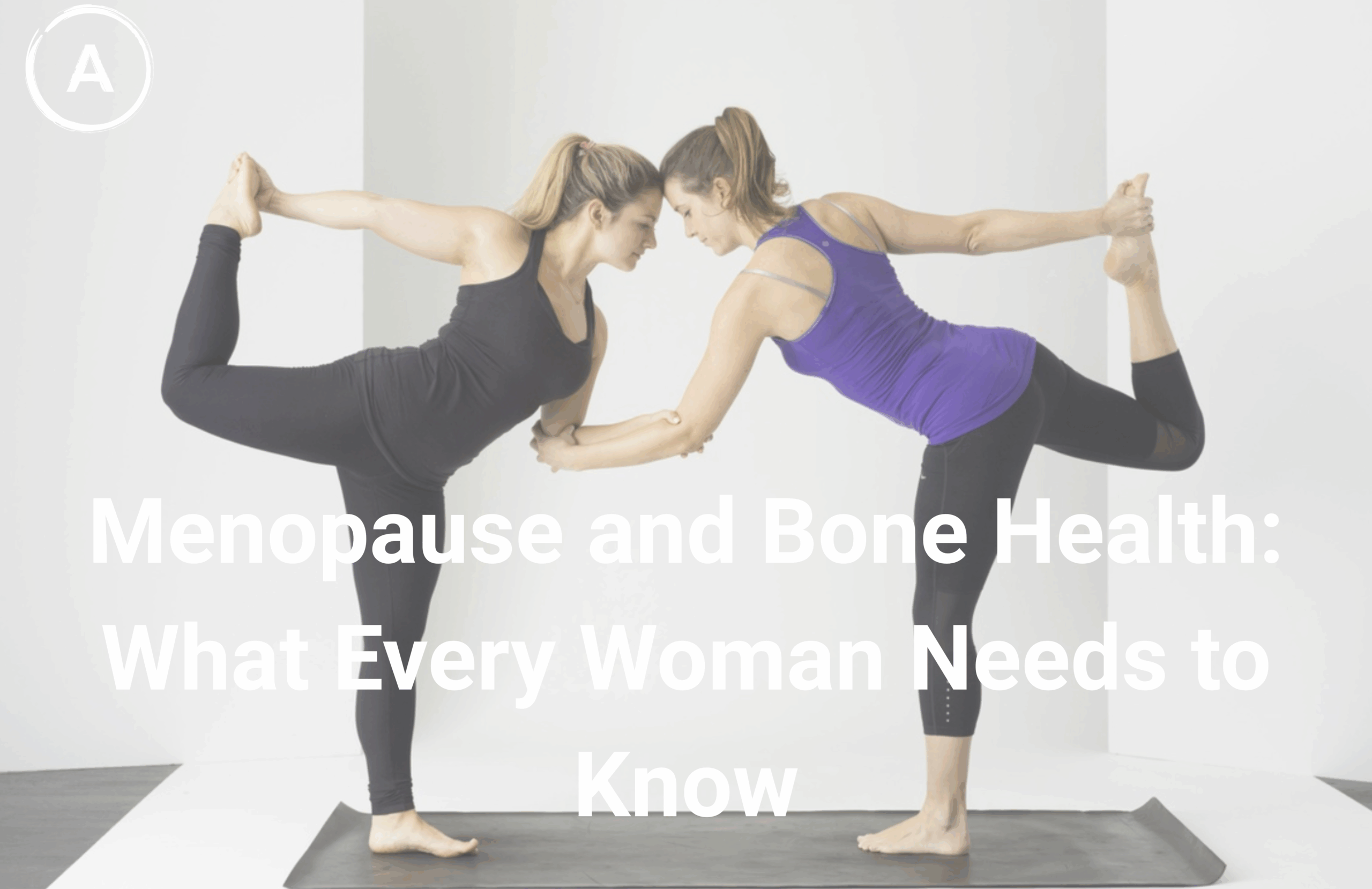
Balance and Flexibility Exercises: While these don't directly build bone density, exercises like yoga, tai chi, and Pilates improve balance, coordination, and muscle strength, reducing your risk of falls and subsequent fractures.
If you've already been diagnosed with osteoporosis or have experienced fractures, certain exercises may pose risks. High-impact activities, forward bending movements, and exercises involving twisting at the waist may increase fracture risk. A physiotherapist can assess your individual situation and recommend appropriate modifications to keep you safe while still reaping the benefits of exercise.
Alongside exercise, proper nutrition is essential for maintaining bone health. Two nutrients are particularly critical:
Calcium: Adults over 50 require approximately 1,000-1,300mg of calcium daily. Good dietary sources include dairy products, leafy green vegetables, fortified plant-based milks, tinned fish with bones (like salmon and sardines), and almonds. If dietary intake is insufficient, calcium supplements may be recommended, but it's best to consult with your healthcare provider about appropriate dosing.
Vitamin D: This vitamin is crucial for calcium absorption. New Zealand's latitude means many people have insufficient vitamin D levels, especially during winter months. Aim for 10-15 minutes of sun exposure on bare skin several times per week, and consider vitamin D supplementation if blood tests reveal deficiency. The recommended daily intake for adults over 50 is 800-1,000 IU.
Other important nutrients for bone health include protein, magnesium, vitamin K, and phosphorus. A balanced diet rich in whole foods provides these nutrients naturally.
At Auckland Physiotherapy, we take a comprehensive approach to managing bone health during menopause. Our physiotherapists are trained to assess your bone health risk factors, current fitness level, and any existing musculoskeletal conditions that may affect your ability to exercise safely.
Personalised Exercise Programmes: We design individualised exercise programmes that incorporate the right balance of weight-bearing, resistance, balance, and flexibility exercises tailored to your needs and goals.
Fall Prevention Strategies: We assess your balance, gait, and home environment to identify fall risks and provide practical strategies to reduce your likelihood of falls and fractures.
Education and Support: Understanding your condition empowers you to make informed decisions about your health. We provide evidence-based education about menopause, bone health, and lifestyle modifications that can make a meaningful difference.
Pain Management: If you're experiencing musculoskeletal pain related to bone loss or fractures, physiotherapy treatments including manual therapy, therapeutic exercise, and pain management strategies can help improve your quality of life.
Posture and Body Mechanics: We teach proper posture and body mechanics to reduce strain on vulnerable areas like the spine and help you move safely in daily activities.
While lifestyle modifications form the foundation of bone health management, some women may benefit from medical interventions. Hormone replacement therapy (HRT) can be effective in slowing bone loss during the early postmenopausal years, but it's not suitable for everyone and comes with its own risks and benefits that should be discussed with your GP.
Other medications, such as bisphosphonates and selective oestrogen receptor modulators (SERMs), may be prescribed for women with established osteoporosis or high fracture risk. These decisions should be made in consultation with your healthcare provider based on your individual risk profile.
A bone density scan (DXA scan) measures bone mineral density and can detect osteoporosis before fractures occur. In New Zealand, women over 60 (or over 50 with risk factors) may be eligible for subsidised bone density screening. If you're approaching or going through menopause, speak with your GP about whether a bone density scan is appropriate for you.
Regular monitoring allows you and your healthcare team to track changes in bone density over time and adjust treatment strategies accordingly.
Protecting your bone health during menopause requires a proactive approach. Here's what you can do:
Menopause doesn't have to mean inevitable bone loss and fractures. With the right combination of exercise, nutrition, and professional support, you can maintain strong, healthy bones well into your later years. At Auckland Physiotherapy, we're committed to helping women in Auckland navigate this important life transition with confidence and strength.
Don't wait until a fracture occurs to take action. If you're concerned about your bone health during menopause, contact Auckland Physiotherapy today to schedule an assessment. Our experienced team will work with you to develop a personalised plan to keep your bones strong and your body moving well for years to come.
Ready to take control of your bone health? Visit us at www.aucklandphysiotherapy.co.nz or call to book your appointment today.
This blog is for informational purposes only and is not a substitute for professional medical advice. Always consult with your healthcare provider before starting any new exercise programme or making changes to your healthcare routine.
Housed in the beautiful Foundation Precinct, sandwiched in-between Newmarket, Parnell & Remuera







Recent Comments