
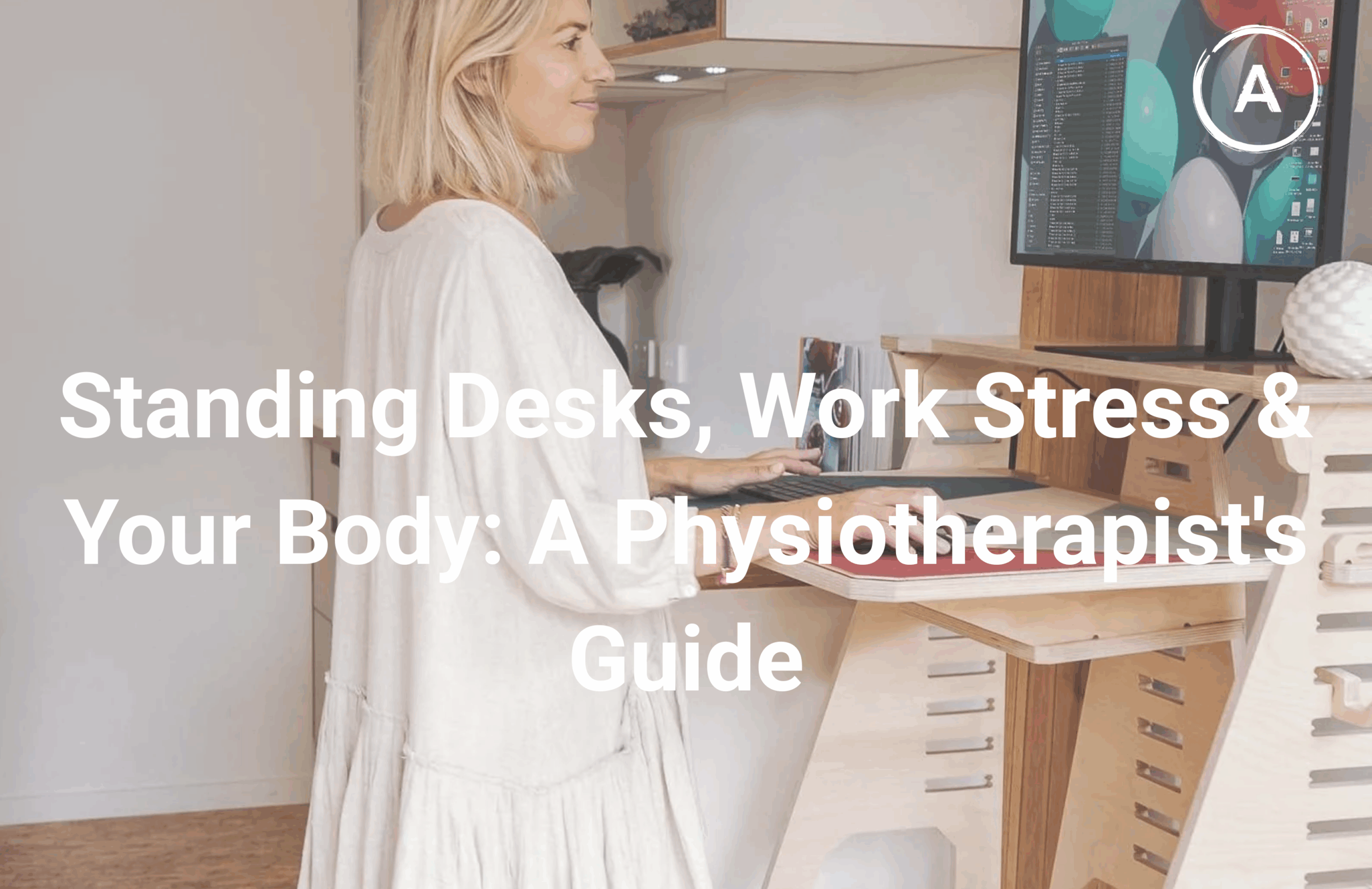
Modern office work creates a perfect storm for musculoskeletal problems: prolonged sitting, repetitive computer tasks, static postures, and the chronic stress that accompanies demanding jobs. At Auckland Physiotherapy, we treat countless office workers each year with neck pain, back pain, headaches, and repetitive strain injuries - conditions often exacerbated by poorly designed workstations and unmanaged workplace stress.
The solution isn't as simple as buying a standing desk or doing occasional stretches. Evidence-based ergonomics requires understanding how your body responds to sustained postures, how stress manifests physically, and what actually works to prevent and manage office-related pain.
Let's explore the science of office ergonomics, separate fact from fiction about standing desks, understand the body-stress connection, and provide practical, evidence-based strategies to protect your musculoskeletal health in the modern workplace.
We've all heard that "sitting is the new smoking." While this comparison is overstated, prolonged sitting does create significant health concerns.
Increased Spinal Disc Pressure: Sitting increases pressure on lumbar (lower back) discs by approximately 40% compared to standing. Over hours and days, this sustained pressure contributes to disc degeneration and back pain.
Muscle Deactivation: Sitting "turns off" certain muscles, particularly the glutes (buttocks). Research shows that even 30 minutes of sitting significantly reduces gluteal muscle activation. Over time, this creates weakness and altered movement patterns.
Hip Flexor Tightness: Prolonged sitting keeps hip flexors in a shortened position for hours daily. This tightness pulls the pelvis forward, contributing to lower back strain and altered posture.
Upper Cross Syndrome: Extended computer work creates a predictable pattern: tight chest and neck muscles, weak upper back and neck stabilizers. This results in forward head posture, rounded shoulders, and neck pain.
Reduced Circulation: Static sitting impairs blood flow, particularly to the lower limbs, contributing to swelling, discomfort, and potentially increased cardiovascular risks.
Studies demonstrate that office workers sitting more than 6 hours daily have:
However, the solution isn't simply replacing sitting with standing.
Standing desks have become enormously popular, marketed as the solution to sitting-related problems. But what does research actually show?
Reduced Sitting Time: Studies show standing desks reduce sitting time by 30-60 minutes per workday - a meaningful reduction.
Lower Back Pain Improvement: Research indicates that alternating between sitting and standing can reduce lower back pain by 20-30% in people with chronic pain.
Increased Energy and Focus: Some studies report improved alertness and concentration when using standing desks, though effects are modest and vary between individuals.
Calorie Expenditure: Standing burns approximately 0.15 calories more per minute than sitting. Over a full workday, this amounts to roughly 50-60 extra calories - equivalent to a small apple. The metabolic benefits are minimal.
Not a Complete Solution: Simply standing instead of sitting doesn't address poor posture, static positioning, or stress. You can have equally poor ergonomics while standing.
Potential for New Problems: Prolonged standing creates its own issues:
Mixed Research Findings: Recent systematic reviews show standing desks provide modest benefits for some outcomes, but are not a cure-all. The evidence for improved productivity, long-term health benefits, or significant pain reduction is weak to moderate at best.
Research consistently shows that movement and postural variation matter more than whether you sit or stand:
Key Finding: Alternating between sitting and standing every 30-60 minutes provides benefits superior to either prolonged sitting or prolonged standing alone.
The Sweet Spot: Evidence suggests a ratio of approximately 1:1 or 2:1 sitting to standing throughout the day works well for most people. For example, in an 8-hour workday: 5-6 hours sitting, 2-3 hours standing, with frequent transitions.
Whether sitting or standing, proper workstation setup is crucial.
Chair Setup:
Desk and Screen:
Keyboard and Mouse:
Phone Use:
Desk Height:
Monitor Position:
Footwear and Mat:
Standing Posture:
Proper setup is only half the equation. Regular movement is essential:
Micro-Breaks (Every 20-30 Minutes):
Movement Breaks (Every 60 Minutes):
Active Habits:
Work stress isn't just psychological—it manifests physically in ways that directly contribute to musculoskeletal pain.
Muscle Tension: Stress triggers increased muscle activity, particularly in:
This tension, maintained for hours daily, creates pain, trigger points, and movement restriction.
Altered Breathing: Stress often causes shallow chest breathing rather than deep diaphragmatic breathing. This:
Pain Sensitivity: Chronic stress increases pain perception. Research shows stressed individuals have lower pain thresholds and experience pain more intensely than non-stressed individuals with identical injuries.
Inflammation: Psychological stress increases inflammatory markers in the body, potentially exacerbating pain conditions and slowing healing.
Poor Movement Patterns: Stressed individuals often adopt protective, guarded postures and movements that create additional strain.
Reduced Recovery: Stress impairs sleep quality and duration, reducing the body's ability to recover from daily physical demands.
Stress creates physical tension and pain. Pain creates more stress and anxiety. This cycle perpetuates both psychological and physical symptoms, making each worse.
Managing stress isn't just good for mental health—it's crucial for physical wellbeing and pain prevention.
Diaphragmatic Breathing: Research shows this reduces muscle tension, lowers stress hormones, and decreases pain perception.
Technique:
This technique involves systematically tensing and relaxing muscle groups, teaching awareness of tension and how to release it.
Studies show it reduces muscle tension, anxiety, and pain intensity in office workers.
Brief Practice:
Physical activity is one of the most effective stress management strategies, with strong research support showing:
Aim for 150 minutes of moderate activity weekly, but even brief movement breaks provide benefits.
Time Management:
Environmental Control:
Research shows strong social support reduces stress impacts and improves pain outcomes. Stay connected with colleagues, friends, and family.
These exercises can be performed at your desk throughout the day.
Neck Stretch:
Chest Stretch:
Seated Spinal Twist:
Hip Flexor Stretch:
Wrist Stretches:
Chin Tucks (10 Repetitions):
Scapular Squeezes (15 Repetitions):
Glute Squeezes (15 Repetitions):
Desk Push-Ups (10-15 Repetitions):
Seated Marching (30 Seconds):
Standing Hip Circles (10 Each Direction):
Cat-Cow Stretch (10 Repetitions):
Week 1: Assessment and Setup
Week 2: Establish Movement Routine
Week 3: Stress Management Integration
Week 4+: Refinement and Maintenance
Consult Auckland Physiotherapy if you experience:
Ergonomic Assessment:
Manual Therapy:
Exercise Prescription:
Pain Management:
Prevention Planning:
Modern office work creates unique physical challenges. The combination of prolonged sitting (or standing), repetitive tasks, static postures, and chronic stress creates the perfect environment for musculoskeletal problems. However, these issues aren't inevitable.
Evidence-based ergonomics goes beyond buying the latest standing desk or ergonomic chair. It requires:
At Auckland Physiotherapy, we understand the demands office workers face. We've helped countless Auckland professionals optimize their workstations, address pain, and develop sustainable strategies for long-term musculoskeletal health.
Your body wasn't designed for 8+ hours of static positioning and repetitive tasks. But with the right setup, regular movement, stress management, and early intervention when problems develop, you can work comfortably and pain-free.
Don't wait until pain becomes unbearable. Small changes now prevent major problems later.
Experiencing office-related pain or want to optimize your workstation? Visit www.aucklandphysiotherapy.co.nz or contact Auckland Physiotherapy today to book an ergonomic assessment and take control of your workplace health.
Housed in the beautiful Foundation Precinct, sandwiched in-between Newmarket, Parnell & Remuera
This blog provides general information and guidance. Individual ergonomic needs vary. For persistent pain or specific concerns, consult with a qualified physiotherapist for personalized assessment and treatment.







Recent Comments