
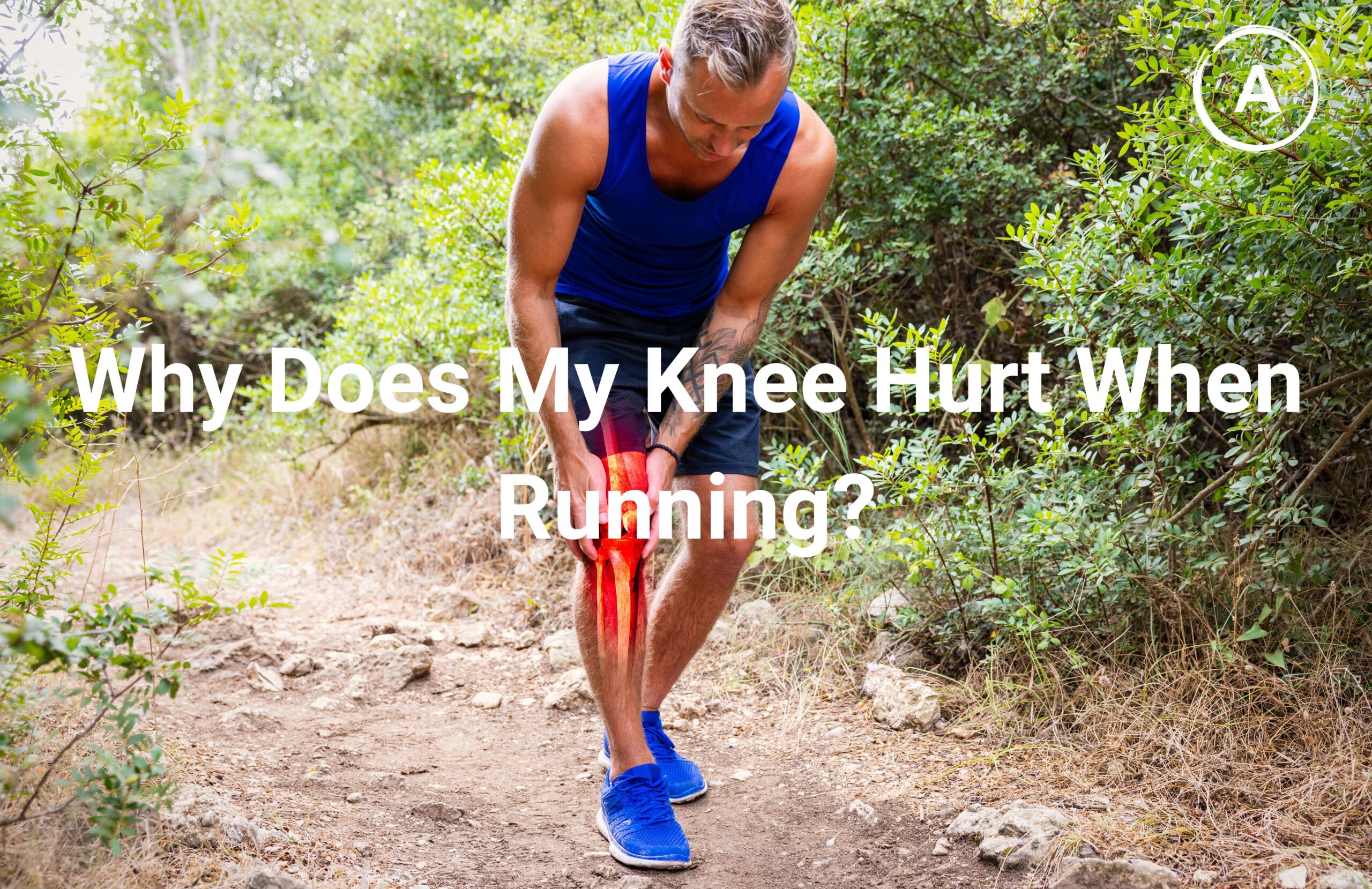
Knee pain during running is one of the most common complaints we see in clinic — but "knee pain" is not a single diagnosis. Where exactly it hurts, when it comes on during a run, and what makes it worse are all important clues. This guide walks through the most likely causes, how to tell them apart, and what to do next.
Not sure what's causing your knee pain? You'd need a 45-minute session with one of our physios to properly identify the cause and get a clear plan. 👉 Book a free call | Book now
The most common causes of runner's knee pain
Most running-related knee pain falls into one of five categories. Each has a distinct location and pattern — understanding which one fits your symptoms is the first step toward the right treatment.
Patellofemoral pain syndrome (front of knee) Aching around or behind the kneecap, worse going downhill or on stairs.
IT band syndrome (outer knee) Sharp or burning pain on the outer edge of the knee, usually starting 15–20 minutes into a run.
Patellar tendinopathy (below kneecap) Localised pain just below the kneecap, often stiff in the morning and at the start of a run.
Pes anserine bursitis (inner knee) Pain and tenderness on the inner side of the knee, approximately 5 cm below the joint line.
Meniscus irritation (inside joint) Joint-line pain, often with a sense of catching or locking, especially when twisting or squatting.
Related reading:
How to identify which type you have
Location is your best guide. Use this table to match your symptoms to the most likely diagnosis — but keep in mind that some presentations overlap, and a clinical assessment is the most reliable way to confirm.
| Pain location | When it hurts most | Most likely cause |
|---|---|---|
| Around or behind the kneecap | Downhills, stairs, sitting long periods | Patellofemoral pain syndrome |
| Outer edge of the knee | 15–20 min into a run; downhills | IT band syndrome |
| Just below the kneecap | Start of run, after rest, jumping | Patellar tendinopathy |
| Inner knee, below joint line | After long runs; morning stiffness | Pes anserine bursitis |
| Along the joint line | Twisting, squatting, deep bending | Meniscus irritation |
What causes these conditions?
Most running knee injuries don't come from a single traumatic event. They develop gradually, usually due to one or more of the following factors.
Training load errors Increasing weekly mileage too quickly is the most common driver of overuse injury. A general guideline is to increase total volume by no more than 10% per week — though this needs to be individualised based on training history and recovery capacity. Sudden introduction of hills, speed work, or back-to-back long runs without adequate adaptation time also puts disproportionate load on the knee.
Biomechanical factors Running gait, hip strength, and foot mechanics all influence how load is distributed across the knee. Weakness in the hip abductors and external rotators is frequently associated with patellofemoral pain and IT band syndrome, as the femur tends to rotate inward during the stance phase of the gait cycle. Overpronation — excessive inward rolling of the foot — can also alter knee tracking.
Running surface and footwear Hard surfaces such as concrete and asphalt absorb less impact than grass or trail. Worn running shoes that have lost their midsole cushioning can increase ground reaction forces at the knee. Most running shoes should be replaced after 500–800 km of use, though this varies by shoe construction and body weight.
Muscle tightness and weakness Tight hip flexors and quadriceps can increase patellar compression forces. Weak glutes reduce pelvic control during the stance phase. Both patterns are common in people who spend a lot of time sitting during the day.
A 45-minute session lets our physios properly assess what's driving your knee pain — including a full movement and gait screen. 👉 Book a free call | Book now
When to stop running and seek help
Not all knee pain means you need to stop running immediately — but some symptoms do warrant prompt professional assessment. Running through the wrong type of pain can convert a manageable overuse injury into a more serious structural problem.
⚠️ Seek assessment if you experience any of the following:
Mild, consistent aching that eases within a few minutes of stopping is often manageable with load modification and targeted exercise — but it still benefits from a proper assessment to confirm the cause and guide the rehab approach.
What treatment looks like
The right treatment depends entirely on the confirmed diagnosis. That said, several principles apply across most running-related knee conditions.
Short-term load management This rarely means complete rest. More often it means temporarily reducing volume, removing the specific trigger (e.g. downhills for IT band syndrome), and maintaining fitness through lower-impact cross-training such as swimming or cycling while the tissue settles.
Targeted strengthening Strengthening the muscles that support the knee — primarily the glutes, hip abductors, and quadriceps — is a core component of rehabilitation for most running knee conditions. The specific exercises, load, and progression depend on the diagnosis and individual presentation.
Running technique modifications For some presentations, small changes to cadence, step width, or trunk lean can meaningfully reduce knee load without requiring significant mileage reduction. These changes are best guided by a practitioner with running assessment experience.
Footwear and orthotics In specific cases where foot mechanics are contributing, footwear changes or custom orthotics may help. However, orthotics are not a standalone fix — they work best as part of a broader programme that includes strengthening and technique work.
Related reading:
Can knee pain be prevented?
Not all running injuries are preventable, but the risk can be substantially reduced with sensible training habits. Key factors include:
How we can help
Running injuries service | Knee pain | Meet the team
Ready to find out what's causing your knee pain?
You'd need a 45-minute session with one of our physios to properly assess the cause and build your plan. Not sure where to start? Book a free phone call first.
👉 Book a free comp call | Book now
This article is for educational purposes only and does not constitute medical advice. If you are experiencing knee pain, please consult a qualified health practitioner before continuing to run or beginning any exercise programme.







Recent Comments