
If you've experienced persistent muscle pain, tension, or trigger points, your physiotherapist may have mentioned dry needling as a treatment option. Despite growing popularity and clinical use across New Zealand, many people remain unclear about what dry needling is, how it works, and whether the research supports its use.
At Auckland Physiotherapy, we incorporate dry needling as part of comprehensive, evidence-based treatment plans when appropriate. This technique can provide rapid pain relief and improve function, but it's not a standalone miracle cure. Let's explore the science behind dry needling, what the research tells us, and when it's most effectively used in physiotherapy practice.
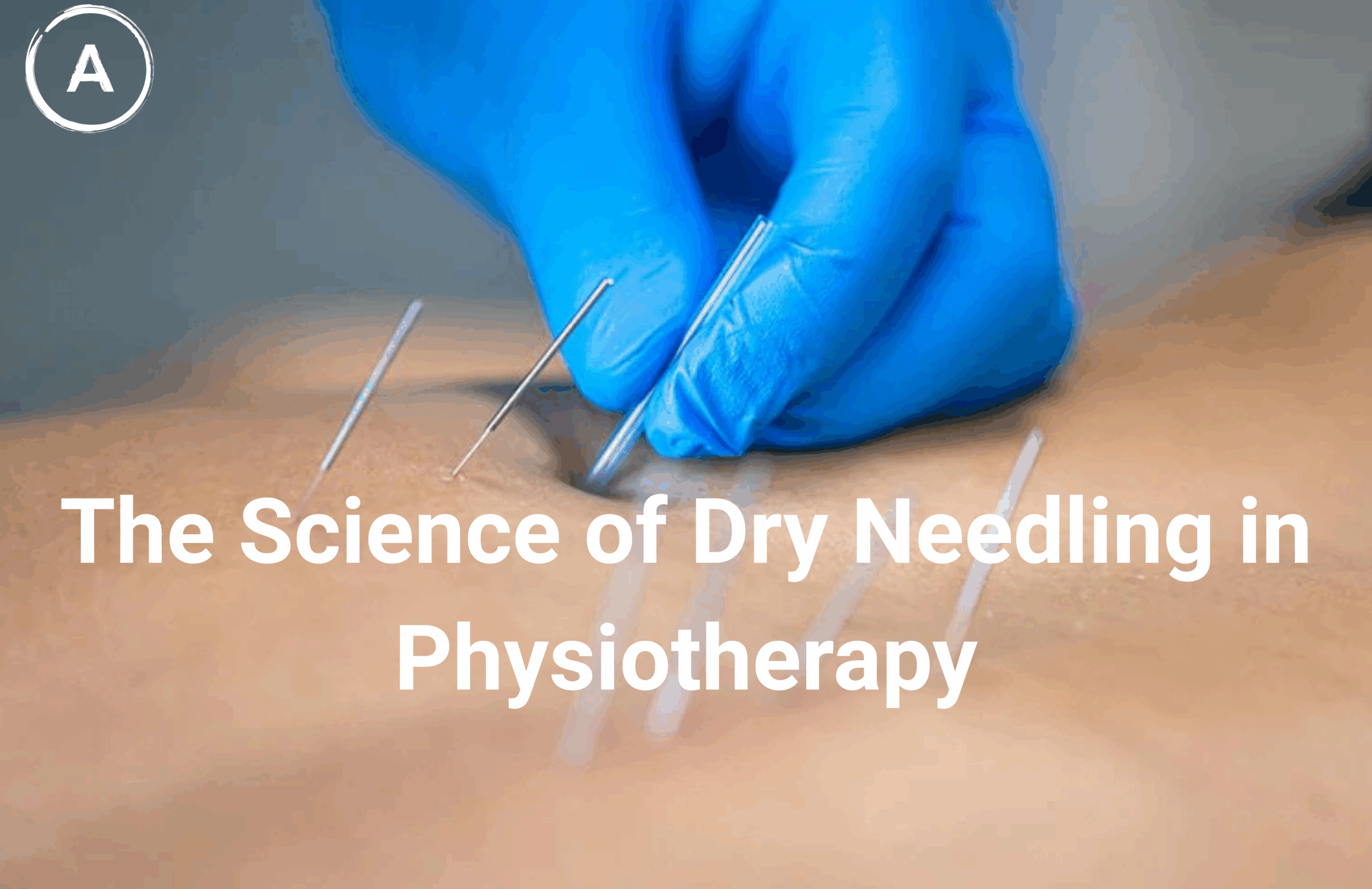
Dry needling involves inserting thin, sterile, single-use needles into muscles, trigger points, or connective tissue to treat pain and movement impairments. The term "dry" distinguishes it from "wet" needling (injections), as no substance is injected—the therapeutic effect comes from the needle itself.
This is one of the most common questions we receive. While both techniques use similar needles, they differ fundamentally in philosophy and application:
Acupuncture:
Both have their place in healthcare, and some practitioners integrate elements of both approaches.
Research has identified several mechanisms through which dry needling produces therapeutic effects:
Trigger points are hyperirritable spots within taut bands of muscle that produce local and referred pain. When needles penetrate these trigger points, they can elicit a "local twitch response" - a brief contraction of the muscle fiber. This response appears to:
Studies using microdialysis have shown decreased levels of inflammatory mediators and pain-related substances following dry needling of trigger points.
Dry needling stimulates various nerve fibers and can influence pain processing at multiple levels:
Local Effects: The mechanical stimulation activates sensory nerve fibers, triggering local reflexes that promote muscle relaxation and increased blood flow.
Spinal Level: Needle stimulation can activate pain-inhibiting pathways in the spinal cord through "gate control" mechanisms, where non-painful signals reduce the transmission of painful signals.
Central Nervous System: Research suggests dry needling can influence descending pain modulation pathways from the brain, activating the body's natural pain-relieving systems and releasing endogenous opioids (the body's natural painkillers).
The physical insertion and manipulation of needles can:
Needle insertion creates controlled micro-trauma that triggers healing responses:
The evidence base for dry needling has grown substantially over the past two decades. Here's what current research demonstrates:
Neck Pain: Multiple systematic reviews show dry needling provides short-term pain relief and improved function for neck pain. A 2020 review found moderate evidence supporting dry needling combined with other physiotherapy interventions for cervical pain.
Low Back Pain: Research indicates dry needling can reduce pain intensity and improve function in acute and chronic low back pain. A 2017 systematic review concluded that dry needling produces superior outcomes compared to sham needling for reducing pain immediately and at short-term follow-up.
Shoulder Pain: Studies demonstrate benefits for various shoulder conditions including rotator cuff tendinopathy, shoulder impingement, and myofascial pain. Dry needling appears particularly effective when combined with exercise therapy.
Knee Pain: Evidence supports dry needling for patellofemoral pain syndrome and knee osteoarthritis, with improvements in pain and function.
Research shows dry needling of neck and shoulder muscles can reduce frequency, intensity, and duration of tension-type headaches and cervicogenic headaches (those originating from the neck). Evidence for migraine treatment is more limited but emerging.
Studies in athletic populations demonstrate that dry needling can:
It's important to acknowledge that while research is growing, the quality varies. Many studies are small-scale or have methodological limitations. Larger, high-quality randomized controlled trials are needed to strengthen evidence. However, existing research, combined with clinical experience, supports dry needling as a valuable treatment tool when used appropriately.
Most research shows dry needling is most effective when combined with other physiotherapy interventions—exercise therapy, manual therapy, and education - rather than as a standalone treatment.
At Auckland Physiotherapy, we use dry needling for specific clinical presentations where evidence and clinical reasoning support its use:
This is the most common indication. When assessment identifies active trigger points contributing to pain and dysfunction, dry needling can provide rapid relief that allows us to progress other treatments like strengthening exercises.
Common conditions include:
When muscles are in protective spasm following injury, dry needling can help reduce this excessive tension, allowing normal movement to resume.
Research supports dry needling for various tendon conditions:
The mechanical stimulation appears to promote tendon healing and reduce pain sensitivity.
For conditions involving persistent pain and central sensitization, dry needling combined with other treatments can help "reset" pain processing and reduce hypersensitivity.
When muscle imbalances or abnormal movement patterns contribute to pain, dry needling can facilitate muscle activation and improve motor control, particularly when combined with targeted exercises.
Understanding what to expect helps reduce anxiety and optimize outcomes.
Before any needling occurs, your physiotherapist conducts a thorough assessment:
Dry needling is always offered, never forced. Some people prefer alternative treatments, and that's completely acceptable.
Preparation: You'll be positioned comfortably with the target area exposed. The skin is cleaned if necessary.
Needle Insertion: Thin needles (0.16-0.30mm diameter - much finer than injection needles) are inserted into specific points. Depth varies from superficial to several centimeters depending on the target tissue.
Sensations: You may feel:
These sensations are normal and often indicate effective targeting.
Duration: Needles may be left in place from seconds to 20+ minutes depending on the technique. Your physiotherapist may gently manipulate them or use electrical stimulation.
Number of Needles: This varies widely—from 2-3 needles to 15+ depending on the condition and treatment area.
Immediate Effects: Many people experience immediate pain reduction and improved movement. Others notice benefits developing over 24-48 hours.
Post-Treatment Soreness: Muscle soreness similar to post-exercise soreness is common for 24-48 hours. This is a normal response to the micro-trauma and typically resolves quickly.
Activity Modification: We generally recommend:
This varies based on your condition:
Sessions are typically spaced 3-7 days apart initially, then extended as you improve.
Dry needling is generally safe when performed by trained physiotherapists, but like all interventions, carries some risks.
Temporary Soreness: 60-70% of people experience mild muscle soreness for 24-48 hours.
Bruising: Small bruises occasionally occur, particularly in areas with more superficial blood vessels.
Bleeding: Minor bleeding at needle sites is common but typically minimal.
Fatigue: Some people feel tired after treatment—this usually resolves within hours.
Pneumothorax: Needle insertion near the ribs carries a small risk of lung puncture. This is extremely rare when proper technique and precautions are used. Your physiotherapist avoids high-risk areas and uses appropriate depths.
Infection: Using sterile, single-use needles and proper hygiene makes infection risk negligible.
Nerve or Blood Vessel Injury: Rare when anatomical knowledge and proper technique are applied.
Dry needling may not be appropriate if you have:
It's crucial to understand that dry needling is rarely a complete solution. At Auckland Physiotherapy, we use it as one tool within comprehensive treatment plans that typically include:
Exercise Therapy: Strengthening and stretching exercises address underlying weaknesses and imbalances that contribute to your condition.
Manual Therapy: Hands-on techniques like joint mobilization and massage complement dry needling effects.
Education: Understanding your condition, contributing factors, and self-management strategies is fundamental to long-term success.
Activity Modification: Identifying and modifying aggravating activities prevents symptom recurrence.
Ergonomic Advice: Optimizing workstations, sleep positions, and daily activities reduces ongoing strain.
Progressive Loading: Gradually increasing tissue capacity through structured exercise prevents future problems.
Dry needling often provides the pain relief and muscle relaxation that allows you to engage more effectively with these other crucial components.
Consider dry needling if you have:
Dry needling may be less appropriate if you:
The decision should be collaborative between you and your physiotherapist, based on your specific condition, preferences, and treatment goals.
Before beginning dry needling treatment, consider asking:
Dry needling is an evidence-based treatment technique that, when used appropriately by trained physiotherapists, can effectively reduce pain, release muscle tension, and improve function. The science continues to evolve, with growing research support for its mechanisms and clinical applications.
However, dry needling is not a magic bullet. It's most effective as part of comprehensive, individualized treatment plans that address all contributing factors to your condition. The goal is not just symptom relief but long-term resolution and prevention of recurrence.
At Auckland Physiotherapy, our experienced physiotherapists are trained in dry needling techniques and integrate them thoughtfully into evidence-based care. We'll assess whether dry needling is appropriate for your specific condition, explain what to expect, and ensure it's used as part of a holistic approach to your recovery.
Curious whether dry needling could help your condition? Visit www.aucklandphysiotherapy.co.nz or contact Auckland Physiotherapy today to book an assessment and discuss your treatment options.
This blog provides general information and is not a substitute for individual assessment. Dry needling should only be performed by qualified, trained practitioners. Always discuss treatment options with your physiotherapist to determine what's appropriate for your specific condition.
Housed in the beautiful Foundation Precinct, sandwiched in-between Newmarket, Parnell & Remuera







Recent Comments